

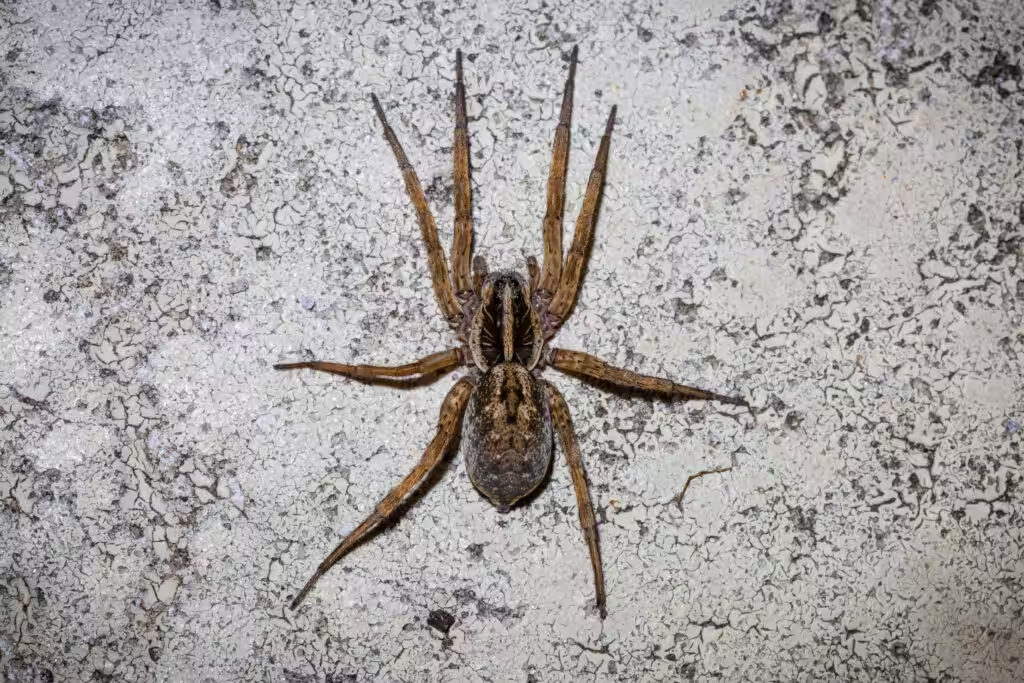
Seeing a large, fast-moving spider dart across the floor can make anyone pause. In many cases, it’s a wolf spider — a common ground-dwelling hunter found throughout the Pacific Northwest. Their size and speed often grab attention, but these spiders are far less threatening than they appear. Understanding their habits and appearance can help reduce worry and make indoor encounters easier to handle.
Because this region is home to common spiders in the Pacific Northwest with similar markings, people often confuse these harmless hunters with other species. Knowing how the life cycle of a spider influences seasonal activity can also explain why they appear more often at certain times of the year.
What Do Wolf Spiders Look Like?
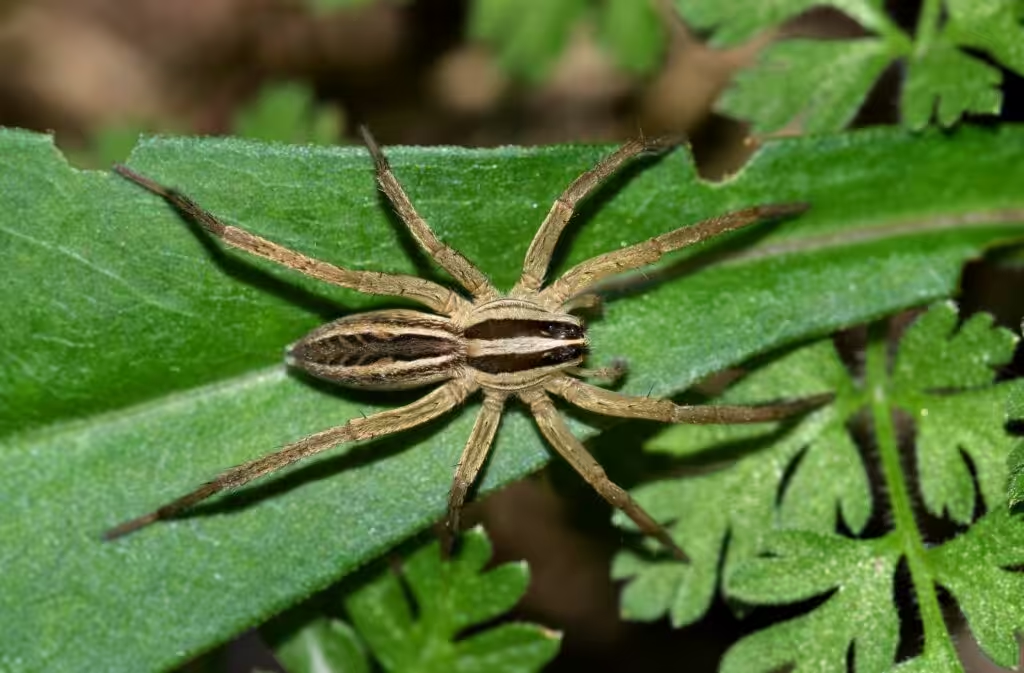
Wolf spiders have a distinct look that helps set them apart. Their bodies are typically brown or gray with darker stripes across the back, similar to many local brown and black spiders found outdoors. They also have eight eyes arranged in three rows, giving them excellent nighttime vision and a reflective eye shine when a flashlight passes over them.
Their bodies and legs are noticeably hairy, and their strong legs are built for running. Since they don’t spin webs to catch prey, they’re often spotted moving across floors rather than staying in corners or ceilings. For those concerned about dangerous spiders, wolf spiders are not among them — their instinct is to retreat, not confront.
How Big Do Wolf Spiders Grow?
Sizes vary widely. Some measure about half an inch in body length, while larger adults may exceed an inch. Including their legs, they can reach two inches or more. Their quick movements often exaggerate their perceived size. Because they can resemble hobo spiders, people sometimes misidentify them, but their patterns and eye arrangement make wolf spiders easy to recognize once you know what to look for.
What Do They Eat?
Wolf spiders are efficient hunters. Their diet includes crickets, beetles, ants, roaches, flies, and other small insects. By staying active on the ground, they help reduce pests naturally — something you may notice if you’ve ever struggled with a mild spider infestation in your house or a rise in indoor insects. While helpful, most people still prefer not to find them indoors.
Can Wolf Spiders Bite?
Wolf spiders can bite, but it’s uncommon. They avoid humans and usually only bite if trapped inside clothing, gloves, or shoes. Their first reaction is always to escape.
Venom and Safety Considerations
Wolf spiders are venomous in the technical sense, but their venom is not dangerous to humans. Bites may cause minor redness or swelling, similar to a mild bee sting. People familiar with spiders in Portland or other species common to this area often find that wolf spiders pose even less concern than other ground hunters.
Examining Danger Levels
Wolf spiders are not deadly. Severe reactions are extremely rare. Still, any bite that produces intense swelling, difficulty breathing, or prolonged discomfort deserves medical attention. These reactions are uncommon, but should always be taken seriously.
Where Wolf Spiders Live
Wolf spiders thrive in forests, grass, gardens, and landscaped areas with loose soil or deep vegetation. Around homes, they hide in basements, garages, sheds, crawl spaces, and other quiet places near the ground. They do not rely on large webs, but you may notice seasonal spider web types outside as other species prepare for cooler weather.
Their activity is often more noticeable during fall when temperatures drop and prey becomes scarce.
Preventing Wolf Spider Encounters
Reducing indoor activity involves sealing openings and managing clutter. Many of the top spider prevention tips apply directly to wolf spiders and other ground-dwelling species.
Effective prevention strategies include:
- Removing clutter from basements, garages, and storage areas
- Vacuuming regularly to remove insects, spiders, and egg sacs
- Keeping firewood and yard debris away from exterior walls
- Trimming vegetation or leaf litter that touches the foundation
- Using sealed plastic bins rather than cardboard
- Installing door sweeps to block ground-level gaps
- Reducing outdoor lighting that attracts insects
Some homeowners also use natural spider sprays or structural maintenance focused on how to prevent spiders in the home.
Get Professional Spider Control Today
Wolf spiders play a natural role outdoors, but most homeowners prefer not to encounter them inside. When sightings become frequent or you want long-term prevention, Natura Pest Control’s spider control services offer effective, family-safe protection. Their team understands local spider behavior and provides targeted treatments that keep spiders from entering, hiding, or reproducing indoors.
Contact Natura Pest Control today to schedule a professional inspection and get lasting protection from unwanted spider activity.