

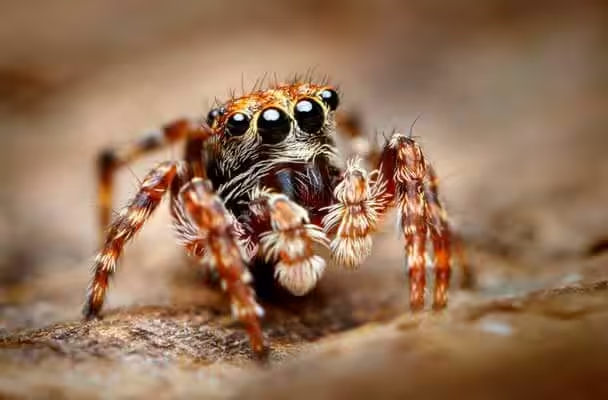
As the seasons change in the Pacific Northwest, many Washington homeowners start seeing more eight-legged visitors inside. When temperatures drop, spiders often head indoors looking for warmth and a mate. Spiders are generally good to have around since they eat other pests, but running into a big, speedy one in your house or garage can still give you the creeps!
If you live in Washington, you might meet all kinds of spiders, from the harmless and fascinating jumping spider to the misunderstood hobo spider. Knowing the local arachnids is the first step toward smart pest management.
In this guide, we’ll cover the most common spiders you’ll find in Washington State, clear up some myths about how dangerous they are, and help you figure out when it’s time to call the experts.
1. Hobo Spiders
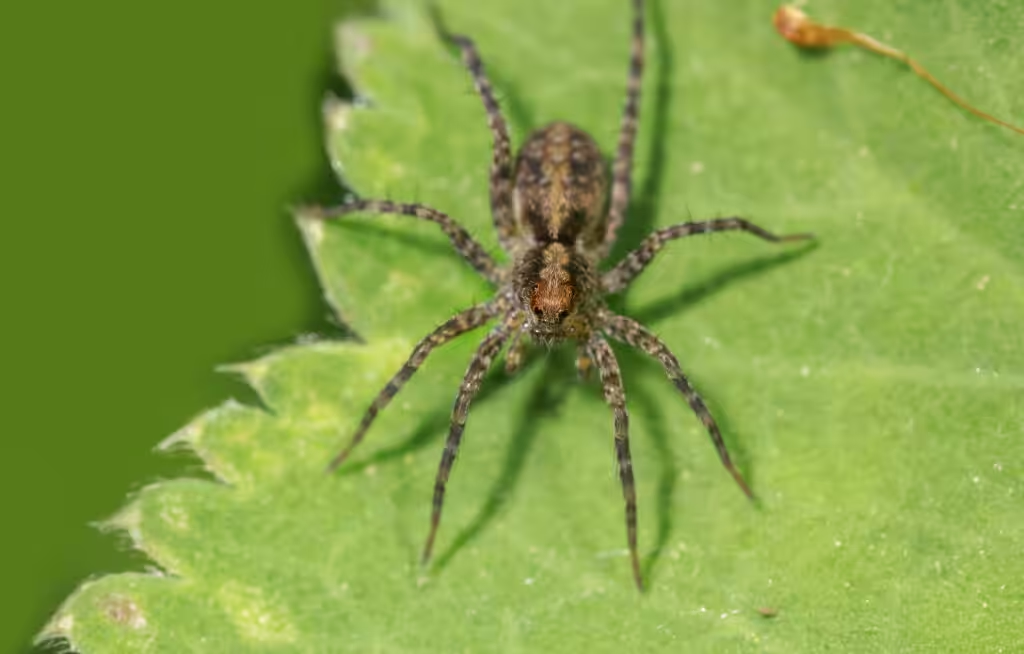
Hobo spiders have a big, scary reputation in the Pacific Northwest, but the truth is, they’re often unfairly judged. They are common all over Washington and Oregon and are usually found near the ground.
Identification
Body Color: Brown
Size: Leg span up to two inches
Legs: Solid, muddy brown (no rings or bands)
Markings: Subtle V-shaped pattern on the abdomen
Habitat and Behavior
Hobo spiders love the outdoors, preferring rock piles and tall grass. However, they frequently wander into basements, crawl spaces, and garages, especially in late summer and fall when males are out looking for females. They build funnel-shaped webs: flat sheets of silk with a tunnel at one end where the spider waits for a meal.
Are Hobo Spiders Poisonous?
For years, people believed the hobo spider could cause severe, rotting skin lesions. The good news is that modern science has changed this view. Are hobo spiders poisonous enough to cause serious harm? Generally, no. While they do have venom, major health organizations no longer consider them a serious medical concern. Their bite might hurt and cause some redness, but they are not aggressive and usually only bite if accidentally squeezed or crushed against your skin.
2. Giant House Spiders
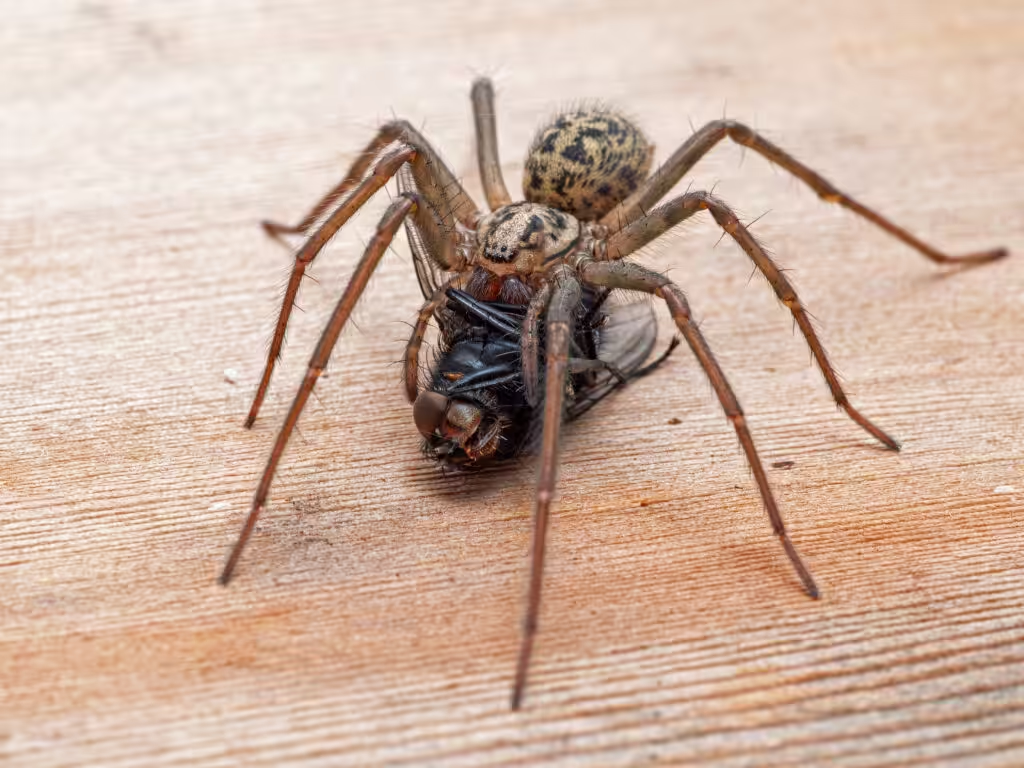
If you see a spider in your Washington home that looks huge, it’s probably the Giant House Spider. With a leg span that can seem massive, they are intimidating, but they are actually harmless—even helpful!
Identification
Size: Large leg span (can equal the size of a palm)
Body Color: Dark brown, orange, or beige
Legs: Noticeable dark rings or bands
Texture: Hairy appearance
Markings: Three light spots on the chest
Web Structure and Speed
These spiders rely on their impressive speed to catch prey. Their webs are messy, flat sheets usually found in ceiling corners, window sills, or behind furniture. Here’s a fun fact: Giant House Spiders are known to eat hobo spiders. So, a resident Giant House Spider might actually be helping you manage other pests!
3. American House Spiders
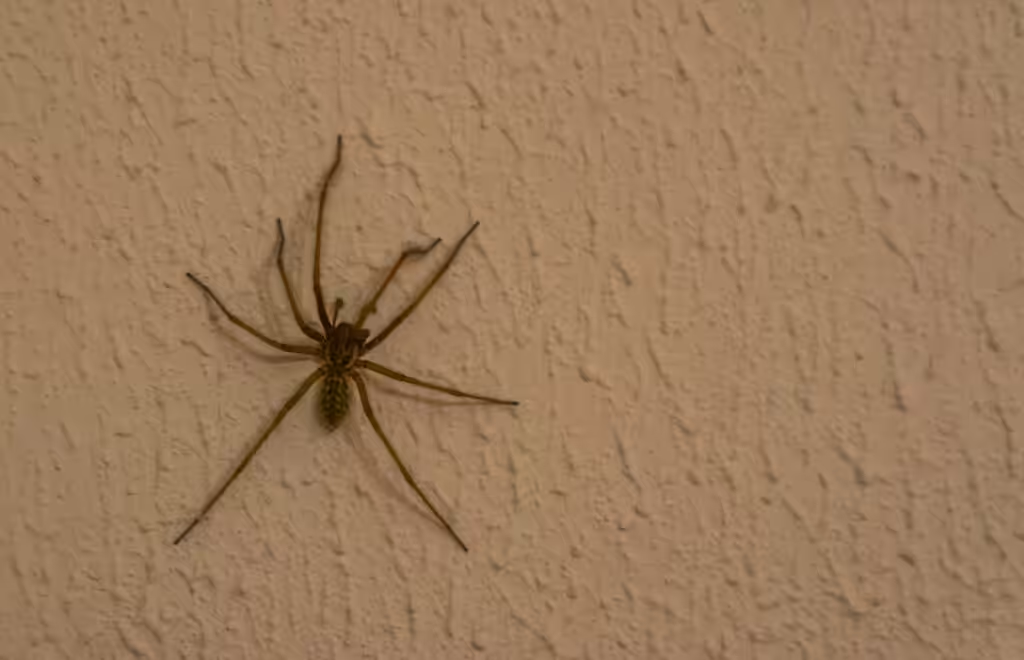
This is the classic “cobweb spider.” They are very common throughout Washington State and are usually the ones responsible for the dusty, tangled webs you find in the upper corners of your rooms.
Identification
Size: Small (typically under 1/4 inch long)
Abdomen: Round and globe-like
Color: Speckled patterns of brown, tan, and dirty white
Legs: Long, skinny, and fragile-looking
Webs: Messy, tangled cobwebs (not neat spirals)
Behavior
American House Spiders love living near people. They build their famous tangled webs to catch small insects. They are completely harmless and will rarely bite unless you disturb them directly.
4. Jumping Spiders
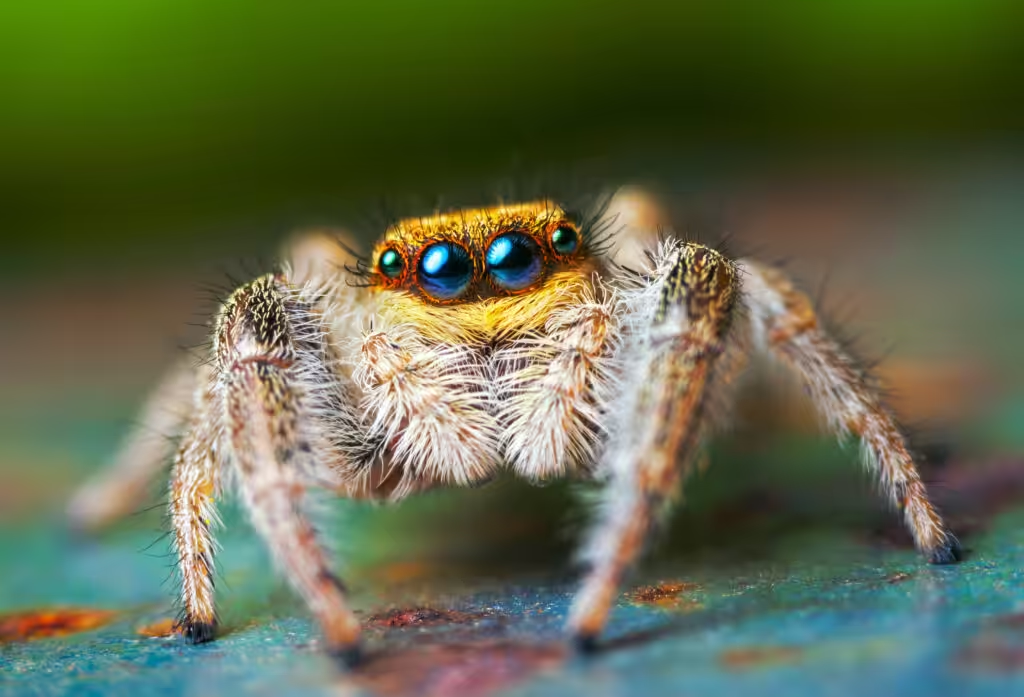
Jumping spiders are the cute ones of the spider world. With their huge, forward-facing eyes and fuzzy bodies, they often make people feel less anxious than other spiders.
Identification
Size/Shape: Small, stocky, and hairy
Body Color: Black
Jaws: Iridescent green or blue
Eyes: Four on the face, with two large middle ones (like headlights)
Markings: Three white, orange, or red spots on the abdomen
Distinctive Behavior
Jumping spiders don’t build webs to catch food. Instead, they hunt like tiny cats, stalking their prey and pouncing on it using their powerful legs. They are active during the day and have amazing vision, which is why you’ll often see them on window sills or fences, watching you.
The Venomous Spiders in Washington
While most spiders in our area are nothing to worry about, there are a few dangerous black spiders in Washington that residents should be aware of. The main concern is the Western Black Widow.
Black Widows
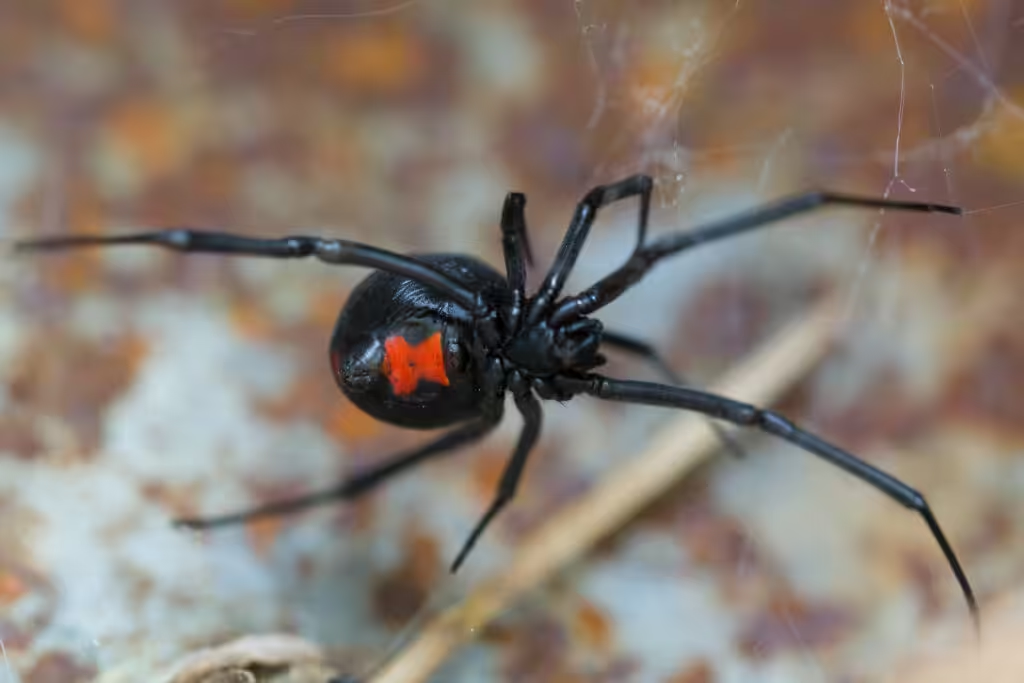
Black widows are more common in Eastern Washington where it’s hotter and drier, but you can find them in Western Washington too. They prefer dark, hidden spots like woodpiles, meter boxes, and crawl spaces. The female is easily identified by her glossy, shiny black body, and the famous bright red hourglass shape on the underside of the abdomen. The abdomen is very round and grape-sized, contrasting with slender legs. Their webs are messy and made of very strong, sticky silk.
Confusion with Lookalikes
Because everyone is naturally cautious, many homeowners worry when they see brown and black spiders in Washington State. It’s easy to mistake a harmless Wolf Spider or a False Black Widow for something more serious. False Black Widows look similar to black widows—dark and round—but they don’t have the red hourglass, and their bite is much milder. Wolf Spiders are big, hairy hunters that don’t build webs and are not medically concerning for humans.
Regional Neighbors
It’s worth noting that the populations of black widows in Oregon are very similar to those in Washington. They are most common in Oregon’s drier areas. If you travel between the states, the same safety precautions apply: always wear gloves when moving firewood or clearing out sheds.
Prevention and Control
The easiest way to deal with spiders is to make your home an unwelcome place for them.
- Seal Entry Points: Spiders slip in through small gaps in the foundation, tears in screens, or cracks under doors. Seal these openings with caulk or weather stripping.
- Reduce Clutter: Spiders love clutter! Keep basements, garages, and attics neat. Store everything off the floor.
- Manage Outdoor Lighting: Spiders are attracted to the insects drawn to light. Use yellow bug lights outside, which attract fewer insects, or keep porch lights off when they aren’t needed.
- Clear Vegetation: Trim back bushes and trees so they aren’t touching your house. Ivy and long grass are favorite spots for spiders to hide.
Keep Seeing Spiders in Your Home? Call Natura Pest Control.
If you’re dealing with an ongoing infestation or you’re concerned about dangerous species, calling in a pro is the smartest move. At Natura Pest Control, we know exactly how Washington’s spiders behave.
We can help you identify the spiders in your home and create a custom barrier to keep them out. Our eco-friendly treatments target the pests while keeping your family and pets safe.
Don’t let spiders stress you out. Contact Natura Pest Control today to schedule an inspection and take back control of your home!
Proudly Serving:
Updated: December 23 2025