

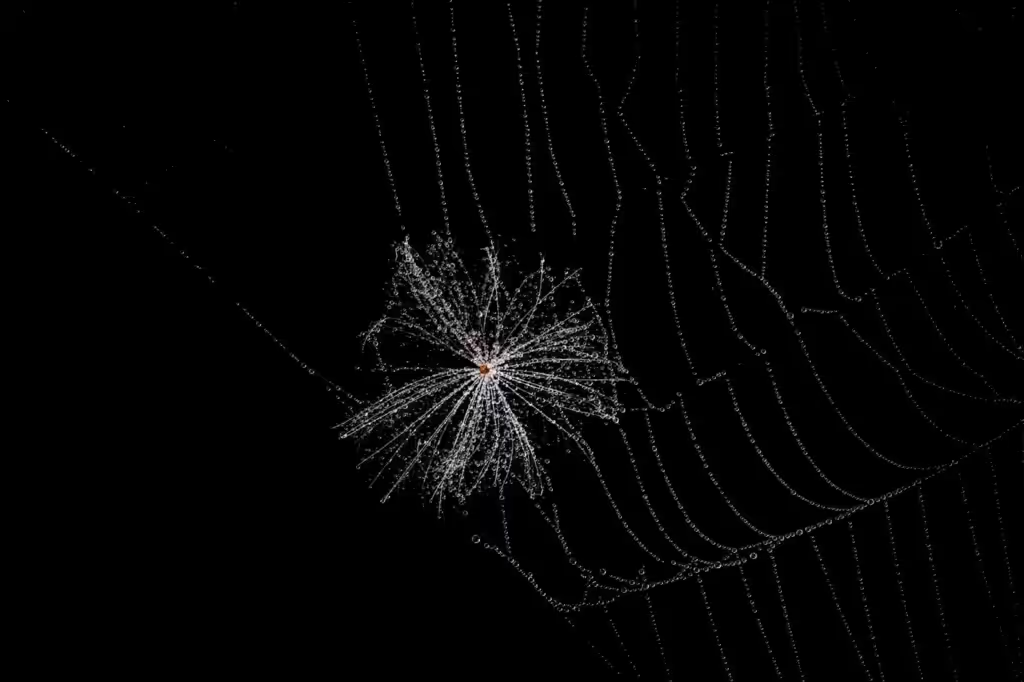
Spiders come inside in search of three things: warmth, food, and shelter. As temperatures drop outside, especially in fall, homes offer all three at once. A house with a steady insect population, a few unsealed cracks, and some cluttered corners gives spiders every reason to stay once they’ve found their way in.
Why are there so many spiders in a single house at once, when one or two might seem more reasonable? The honest answer is that a house rarely has just one thing drawing spiders in. What causes spiders in house environments to build up is almost always a combination of factors working together rather than one single cause.
Why Spiders Enter Homes
A spider showing up indoors is rarely random. Warmth is one of the biggest draws, particularly as outdoor temperatures cool and a house becomes one of the more comfortable options nearby. But warmth alone doesn’t explain why spiders stick around once they’re in. Food does that.
Spiders follow their prey, and a home with a reliable insect population, whatever’s crawling or flying through at the time, is a home worth staying in for a spider. That’s the core answer to why spiders come in the house in the first place: wherever the food source goes, spiders eventually follow.
Vegetation touching the house adds another entry point. Bushes and branches against exterior walls act as a bridge straight to the siding, letting spiders travel from yard to home without ever touching open ground.
Clutter finishes the job by giving spiders undisturbed corners to build a web and wait. Put warmth, food, vegetation, and clutter together, and a mild house spider problem can turn into a much more noticeable one within a season.
Light Draws Insects, and Insects Draw Spiders
Spiders themselves aren’t especially drawn to light. Still, the insects they eat are. Outdoor lighting left on overnight pulls in flying insects, and spiders that build webs near an entry point or a porch light are setting up shop where the food already gathers.
A porch light running all night is effectively an open invitation to every flying insect in range, and the spiders follow shortly after. Moving light sources farther from entry points, or switching to bulbs that attract fewer insects, reduces the draw without needing to touch the spiders directly.
Natural Ways to Discourage Spiders
Not every spider-deterrent method has the same level of evidence behind it, and it’s worth knowing which ones actually make a difference before spending a weekend on the ones that don’t.
The environmental changes matter most. Trimming bushes and shrubs back from exterior walls, clearing woodpiles away from the foundation, and sealing cracks around windows and doors all remove the entry points and hiding spots spiders and their prey rely on.
Regular decluttering indoors works the same way, since fewer undisturbed corners, in a basement, an attic, or the back of a closet, mean fewer places for a web to go unnoticed. None of this requires buying a single product, only consistent upkeep.
What Actually Helps vs. What Is Folklore
Scent-based remedies are where the evidence gets thinner. Vinegar shows up constantly in home remedy lists, and so do essential oils like peppermint, tea tree, and eucalyptus. Garlic and citrus peels make the rounds too, and plenty of people swear by all of them.
The honest answer is that strong scents may temporarily make an area less appealing to some spiders, but none of these have the kind of consistent, tested evidence that sealing a crack or clearing a woodpile does. Cedar blocks and horse chestnuts fall into the same category: commonly tried, not proven, and unlikely to hurt if you want to test them out for yourself.
A vacuum is one of the more effective non-chemical tools available. Regularly vacuuming up webs, egg sacs, and the corners spiders favor removes both the pests and the reason they’d want to return to that same spot. It’s a simple habit that works on the actual population instead of just freshening the smell of a room.
Are All Spiders in Your Home Dangerous?
Most spiders found indoors are harmless, and many actively help by keeping other insect populations in check. Black widows are the one species in the region that can deliver a bite worth taking seriously, though even those bites are rarely life-threatening. Hobo spiders have a rough reputation from outdated research, but current studies haven’t found their bites cause the tissue damage once feared.
Knowing which spiders are in your home matters more than treating every sighting as equally concerning, since a house spider and a black widow call for very different responses. Size and speed alone aren’t reliable ways to tell them apart, since some of the most intimidating-looking spiders indoors are also some of the most harmless.
Homes vary quite a bit in how many spider species pass through over the course of a year, and most of those visitors go unnoticed entirely. The presence of spiders on its own isn’t a red flag. Treating every sighting the same way, regardless of species, usually causes more stress than the spider itself does. Most of the spiders causing that stress were never the dangerous ones.
Call Natura for Spider Control
Environmental fixes and consistent upkeep make a real difference, but a heavy spider season in the PNW often calls for more than trimmed bushes and a vacuum. If natural deterrents haven’t kept up, or you’d rather have a professional confirm what you’re dealing with, Natura Pest Control can help you take back control. Our spider control treatments target where spiders live and travel, not just the webs you’ve already spotted, using eco-friendly methods that are safe for your family and pets.
Call us at 360-215-2876 to schedule an inspection, or experience the Natura difference and let us handle the spiders so you don’t have to.
Service Areas