

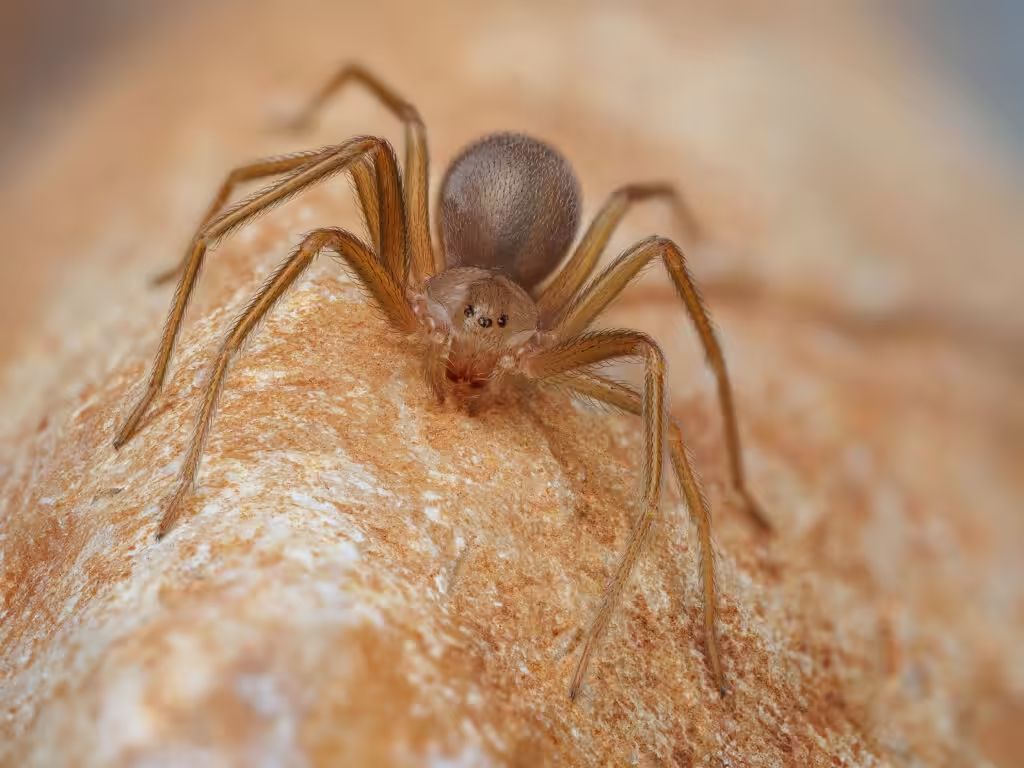
Most Oregon homeowners have heard frightening stories about brown recluse spiders. Their reputation alone is enough to make anyone uneasy. However, the truth is far less alarming. Brown recluses are not native to Oregon, and confirmed populations are extremely rare. Many sightings turn out to be common spiders in the Pacific Northwest, which often share similar shapes or colors.
Understanding what brown recluses look like, how they behave, and why they are often confused with other species can help reduce unnecessary concern. Oregon’s cooler, wetter environment supports a wide range of harmless spiders, and many fall into the general category of brown and black spiders, which contributes to the confusion. Knowing how the life cycle of a spider influences seasonal activity also helps homeowners understand why they occasionally see them inside.
What Does a Brown Recluse Look Like?
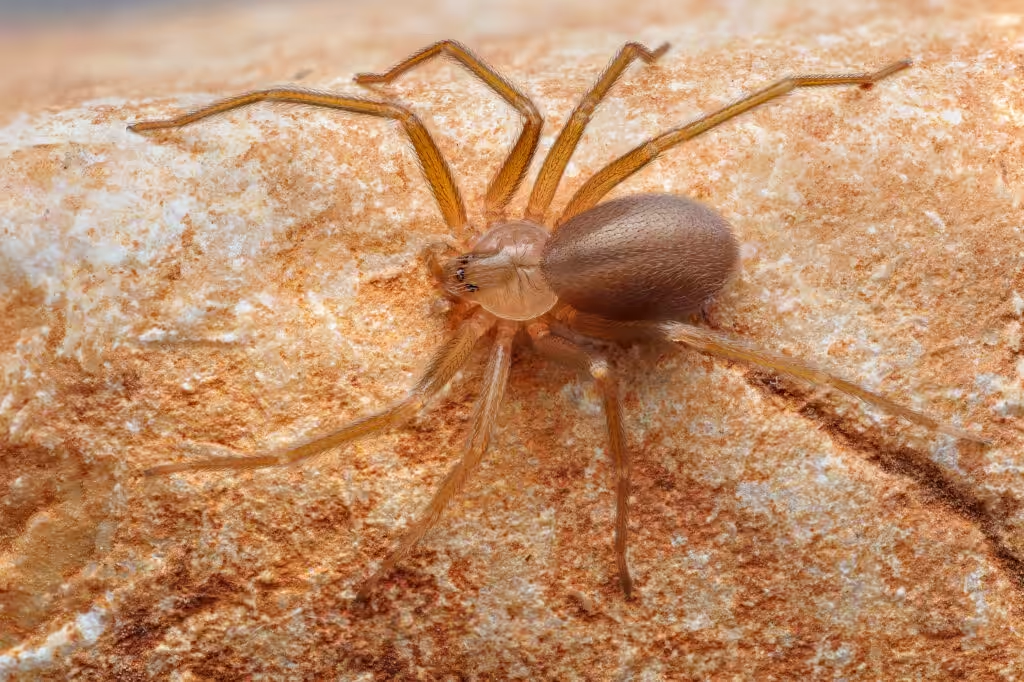
A brown recluse has several characteristics that distinguish it from Oregon’s native species:
- A dark, violin-shaped marking on the back
- Tan to dark brown body coloring
- Six eyes arranged in three pairs
- Long, slender legs with fine hairs
- A smooth, plain abdomen with no stripes or patterns
Many local species—especially those common in homes and garages—share similar coloring, which is why a harmless spider may be mistaken for something more dangerous.
How Big Are Brown Recluses?
Brown recluses are small compared to many spiders in Portland or the large house spiders common in the Willamette Valley. Their bodies measure a quarter to three-quarters of an inch, and the entire leg span is about the size of a quarter. Oregon’s larger funnel weavers and hobo spiders often confuse homeowners who assume size alone indicates danger.
Where Do They Live?
In the regions where brown recluses are native, they favor dry, undisturbed areas of homes. In Oregon, nearly all verified encounters come from transported items such as moving boxes or furniture. Local spiders, on the other hand, thrive in Oregon’s wet climate and are often seen in basements, sheds, or behind outdoor debris.
Homeowners sometimes assume that these wandering spiders are dangerous spiders, but in most cases they are routine household species seeking shelter or a food source.
Are Brown Recluse Bites Dangerous?
While brown recluse bites can cause concern, truly severe reactions are rare. Many people experience only mild irritation. Medical professionals routinely see cases where an assumed recluse bite turns out to be an infection, a wound from another insect, or irritation caused by household contact.
This confusion is especially common when people discover a sudden lesion and assume the cause was a spider, even though true recluse bites are uncommon in the region.
What Does a Bite Look Like?

Brown recluse bite symptoms often follow a recognizable pattern:
- A red, irritated area
- A pale or white center
- A darker ring on the border
- Increasing soreness
- Blistering, eschar or ulceration in advanced cases
Because many home infestations involve Oregon’s native cellar spiders, house spiders, or sac spiders, the wound may not match this pattern at all. Homeowners who worry about a spider infestation in your house sometimes assume any skin irritation is related, even when the cause is unrelated.
How to Respond to a Bite
If you suspect a bite, wash the area, apply a cold compress, and keep the affected limb elevated. Monitor symptoms over the next one to two days. Seek medical evaluation if the wound worsens or you develop concerning symptoms.
How to Reduce Spider Activity in Your Home
Reducing general spider activity—not just recluses—can help make your home more comfortable. Many of the top spider prevention tips focus on housekeeping and sealing gaps.
- Reduce clutter in storage spaces
- Use sealed containers for clothing and seasonal items
- Shake out shoes and coats before wearing
- Seal gaps around doors and windows
- Vacuum corners, baseboards, and quiet areas
- Keep firewood and debris away from the home
Some homeowners also experiment with natural spider sprays, especially during peak late-summer activity. Others focus on how to prevent spiders in the home through structural improvements.
Knowing basic spider web types can also help homeowners identify what species might be nesting around the property.
Why Brown Recluses Are Misidentified in Oregon
Oregon hosts many harmless species whose appearance is often mistaken for a recluse. The wide range of house spiders, orb weavers, and funnel weavers can lead to confusion—especially when people are unfamiliar with local species. Many homeowners compare what they see to the general appearance of common Oregon spiders and when colors or shapes match, assumptions follow.
Spider Control with Natura Pest Control
Even though true brown recluse spiders are extremely rare in Oregon, many local species still enter homes during seasonal shifts. When you want effective and reliable spider control, professional service gives you peace of mind. Natura Pest Control provides safe and targeted spider treatments designed for Oregon homes, addressing problem areas and preventing new activity.
Contact Natura Pest Control today to schedule an inspection and keep your home spider-free.