
You wake up with two small red marks on your arm and a vague memory of brushing something off in the night. Was it a spider? Probably. Spider bites are one of the most misidentified injuries we get asked about, especially once June rolls around and PNW spiders start showing up indoors.
Most marks people call spider bites turn out to be something else entirely. The ones that are real bites usually heal on their own. A small number do not, and those are the ones worth knowing how to spot.
This guide walks through what spider bites look like, which symptoms matter, how to treat one at home, and when it’s time to stop guessing and call a doctor.
How to Identify a Spider Bite
Most people assume any unexplained skin mark with two close-set punctures is a spider bite. That assumption is wrong more often than it’s right. Plenty of other things leave similar marks.
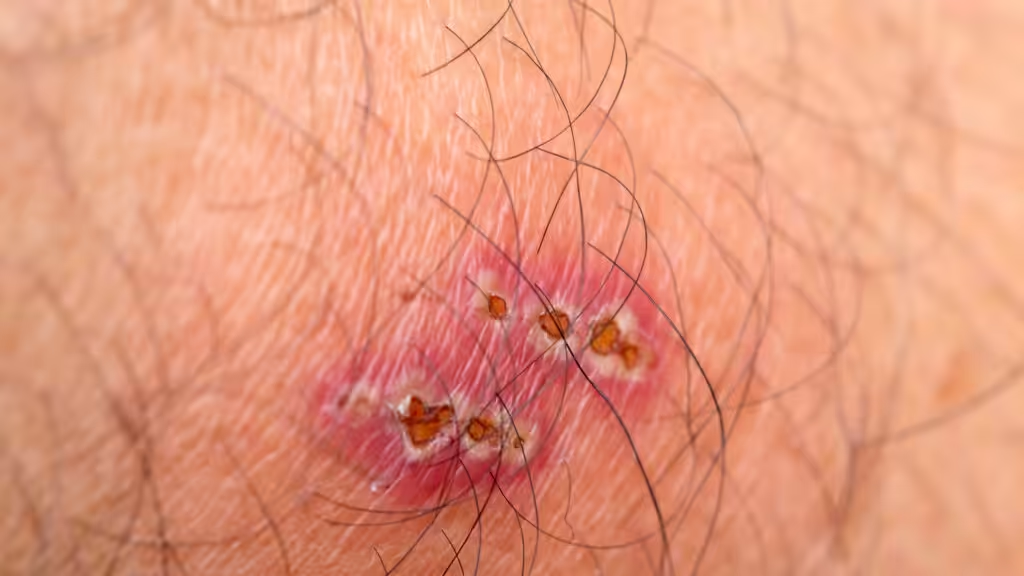
Mosquitoes, fleas, and mites all produce bites that look like spider bites for the first day or two. Bed bug bites do too. Skin infections can mimic the worst-looking ones. A real spider bite involves a single puncture point or two very close together, with localized swelling that develops over a few hours rather than appearing immediately.
The honest answer is that unless you saw the spider on you, you probably can’t identify a bite with certainty just by looking. What you can do is watch how it changes. A bite from a harmless spider will look like a small, itchy welt and fade within a few days. A bite that worsens, spreads, or causes symptoms beyond the skin needs closer attention.
Common Spider Bite Symptoms
Here’s what a typical spider bite involves in the first 24 to 48 hours:
- Mild pain or stinging at the bite, similar to a bee sting
- You might see a small red bump or welt with a faint, darker center
- Local swelling, usually staying within an inch or two of the puncture
- Itchiness that builds across the first day rather than hitting all at once
If those are the only symptoms you have, you’re almost certainly dealing with a bite from a harmless spider or something that wasn’t a spider at all.
What a Spider Bite Looks Like
Visually, a fresh spider bite is small. We’re talking the size of a pencil eraser or smaller. The redness stays close to the puncture point on the first day. By day two, it might spread slightly and develop a small ring of pink or pale skin around the center. That ring is ordinary inflammation. It doesn’t mean the bite is dangerous.
What does matter visually is the rare stuff. A target-shaped wound — dark at the center with a pale ring around it. Blistering at the bite site. Skin that starts breaking down in the days after the bite. Those are signs of a bite from one of the dangerous spiders in Washington, and they call for medical attention, not home treatment. dangerous spiders in Washington
Bites From Spiders Worth Worrying About
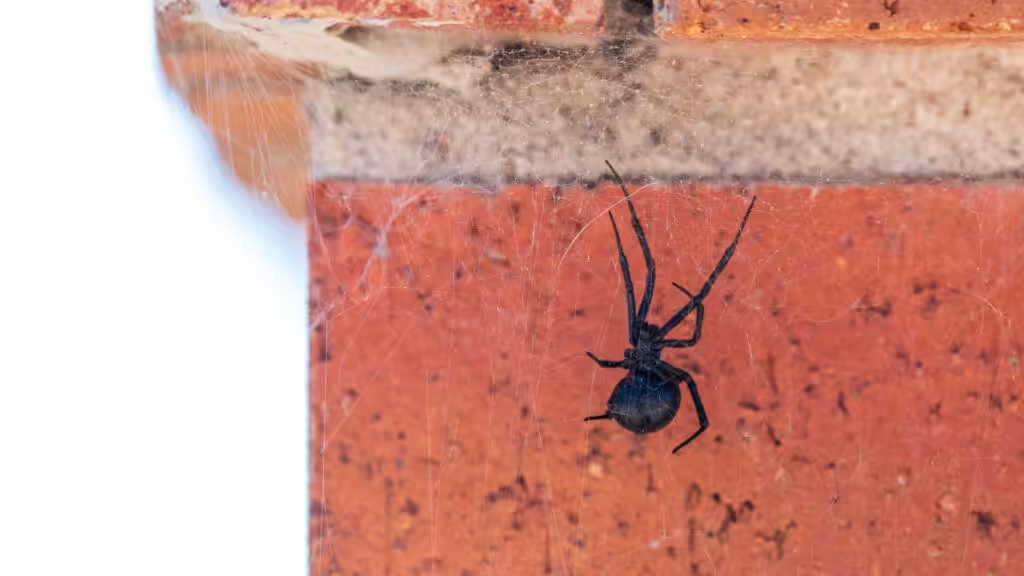
In our area, only two spiders produce bites that consistently cause medical problems. The black widow, found in dry, undisturbed spots like woodpiles and garage corners, delivers a bite that’s painful right away and brings on muscle cramps and abdominal pain within a few hours.
The hobo spider is more debated. Older sources claim its bite destroys the surrounding skin tissue — causing the flesh to break down — but pest professionals and doctors have largely moved away from blaming hobo spiders for serious bites. whether hobo spider bites cause real harm
You’re more likely to encounter dangerous black spiders specific to Washington than any of the southern recluse species the internet tends to blame for bad bites.
Spider Bite Treatment at Home
For a bite from a common house spider, treatment is straightforward and you don’t need anything you wouldn’t already have. Wash the area with soap and water. Apply a cold pack for 10 minutes at a time to bring down swelling. An over-the-counter antihistamine helps with itching. Raise the limb if there’s noticeable swelling.
The mistake people make is overtreating. Hydrogen peroxide and rubbing alcohol both delay healing more than they help, and scrubbing the bite hard makes it worse. Keep it clean and dry instead. Change any bandage daily and watch the bite over the next few days. Most bites resolve completely within a week.
When to See a Doctor
Some symptoms aren’t something to ride out at home. Get medical attention if you notice:
- Pain that gets worse, not better, over the first few hours
- Muscle cramps, nausea, fever, or chills in the day after the bite
- If the bite develops blisters, turns dark in the center, or starts breaking down
- Any sign of an allergic reaction (trouble breathing, dizziness, throat tightness)
These are the symptoms tied to bites from dangerous spiders or to secondary infection. A doctor needs to see it either way. Bring a photo of the bite if you have one, and the spider itself if you managed to catch it. Identification helps the doctor figure out treatment quickly.
Spiders You’ll See Around Vancouver
The vast majority of spiders we encounter in Washington are harmless. Cellar spiders show up in basements. Jumping spiders end up on window sills. Orb weavers build their webs across porches every August. Those three make up most of the calls we get.
Hobo spiders and giant house spiders are also common around here, and homeowners confuse the two regularly. The giant house spider is bigger, browner, and not considered medically significant.
June is when spider activity starts picking up indoors. Warmer evenings push insects toward porch lights, and spiders follow the food. That’s why we see a jump in calls every year right around now.
Keeping Spiders Out of the House
- Seal exterior gaps around utility lines, vents, and dryer exhausts
- Switch outdoor bulbs to yellow ones. They draw fewer insects than white light, and fewer insects means fewer spiders
- Knock down webs in eaves, garage corners, and over doorways before they get established
- Firewood and lumber should sit at least 20 feet from the foundation — keep yard debris well away from the house too
These won’t eliminate spiders entirely. Nothing does. But they cut the population around the structure enough that you’ll notice fewer indoors.
Call Natura for Spider Control
If you’re finding spiders inside more than you’re comfortable with, or if a bite you’re dealing with isn’t healing the way it should, we can help. Our spider control treatments target where spiders live and travel, not just where you’ve seen them. June is peak season for the PNW, and getting ahead of the activity now means fewer surprises in July and August.
Call us at 360-215-2876 to schedule an inspection or talk through what you’ve been seeing.