

Bed bug problems get out of hand the same way every time. People don’t recognize the early signs of bed bugs until the infestation has been building for weeks. By then, a single fertilized female has already produced multiple generations. What would have been a quick treatment becomes a serious one.
Catching them early usually means one treatment instead of three. Most of the calls we take where treatment goes smoothly start with a homeowner who noticed something off and looked closer. The ones that don’t go smoothly usually start with someone who assumed the bites were mosquitoes for two months.
This guide walks through what to look for, where to look, and how to tell whether what you’re seeing is bed bugs or something else.
Early Signs of Bed Bugs to Watch For
The first sign most people notice isn’t the bug itself. It’s the bites. Bed bugs feed at night, and people wake up with small red marks on exposed skin, usually in a line or a cluster of three. The first sign most people notice isn’t the bug itself. It’s the bites. Bed bugs feed at night, and people wake up with small red marks on exposed skin, usually in a line or cluster of three. Some people don’t react to bites at all for the first few weeks.
Other early signs are less obvious. You might find small rust-colored spots on sheets or pillowcases. A faint sweet-musty odor sometimes develops in heavily affected rooms, though it’s subtle and easy to miss.
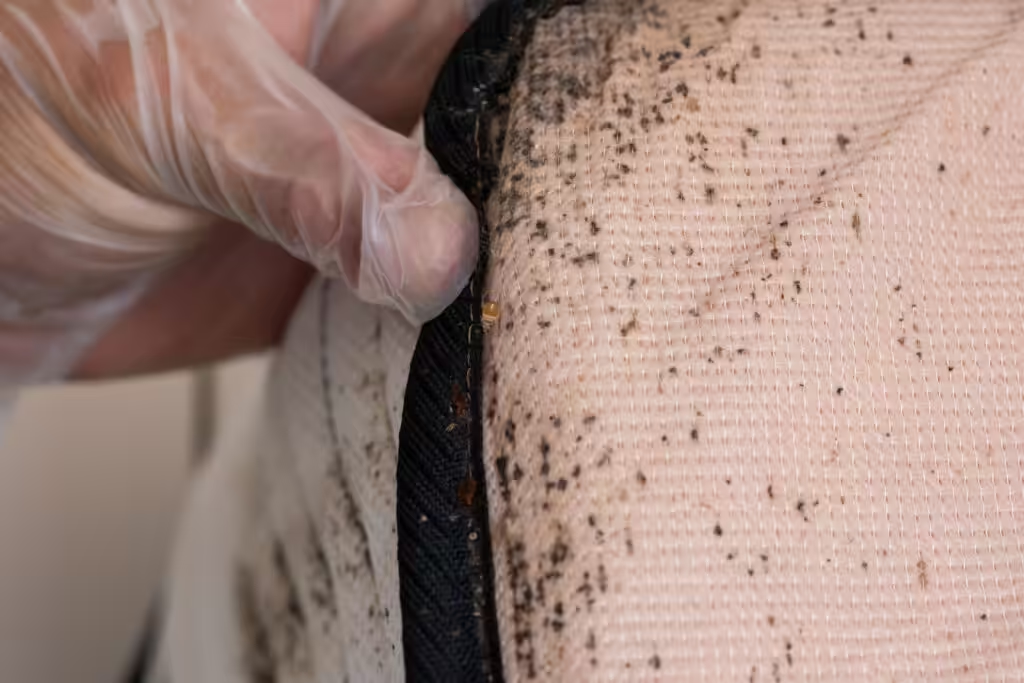
Tiny dark specks along mattress seams can look like ground pepper at first glance. None of these alone are conclusive. Taken together, they’re worth investigating.
Where to Look First in the Bedroom
Bed bugs hide within a few feet of where you sleep. They prefer tight, dark cracks close to a host. Most evidence shows up in predictable spots:
- Start with the mattress seams and the underside of the box spring
- Check anywhere the headboard joins the wall
- Look inside screw holes and joints on wooden bed frames
- Behind nightstands and along baseboards near the bed
Use a flashlight and a credit card or thin tool to check crevices. Strip the bedding completely and look at the seams of the mattress in good light. If they’re there, you’ll usually find something within ten minutes.
What Bed Bug Bites Look Like
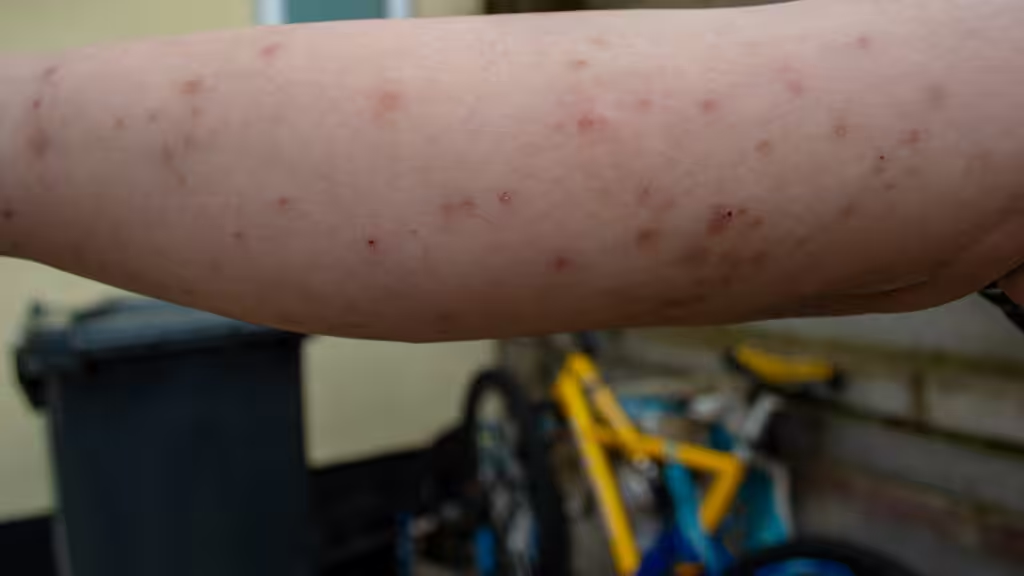
Bed bug bites usually appear as small red welts, slightly raised, with a darker center where the bug fed. They itch more than mosquito bites and stay visible longer. The bites often line up because the bug gets disturbed mid-feed and resumes a fraction of an inch away.
Reactions vary widely. Some people develop large, swollen welts that take a week to fade. Others show almost nothing. That variability is part of why bed bugs go undetected for so long. If one person in the household is reacting and others aren’t, that’s not a sign that you don’t have bed bugs. It just means one person reacts to the saliva and others don’t.
Telling Bed Bug Bites From Other Bites
Mosquito bites scatter individually across exposed skin. Flea bites concentrate on the lower legs and ankles. Spider bites usually show up as one or two punctures in a single spot.
Bed bug bites favor exposed skin, the parts you couldn’t have shielded under blankets. Arms and shoulders are common targets. So are the neck and lower legs, especially if you sleep with sheets pulled down. The bites often appear overnight on areas that were uncovered while you slept.
If you’re not sure what you’re looking at, our breakdown of bed bug bites and how to identify them goes into more detail with comparison photos. Bite identification alone isn’t enough to confirm bed bugs, but it’s a strong starting point when combined with physical evidence in the room.
What the Bugs Leave Behind
Bites tell you something is biting. Physical evidence tells you what. Once you know what to look for, bed bugs leave a fairly distinctive set of clues. Rust-colored stains on sheets come from bugs being crushed during sleep, or from digested blood in their droppings.
Dark specks along the mattress piping look like ground pepper. Wipe one with a damp cloth and it’ll smear. That’s their droppings — one of the most reliable clues. The bugs molt through five growth stages before reaching adulthood, shedding their exoskeletons along the way. Those translucent shells pile up in the same hiding spots where the live bugs sit.
The bugs themselves are about the size and shape of an apple seed when fully grown. Adults are reddish-brown and flat, though they swell and darken after a feed. Newly hatched bed bugs are pale and roughly the size of a pinhead. That’s small enough to miss even when you’re looking right at one.
Spotting Shed Skins and Eggs
The growth stages leave evidence even when the bugs themselves are hiding. Here’s what to look for during a careful inspection:
- Check for translucent shells that match the shape of the bug but are hollow and lighter
- Clusters of tiny white or pearl-colored eggs, about a millimeter long
- Dark fecal spots along mattress seams that smear when wiped
- Live bugs in cracks of the bed frame, especially around screws
Bring a flashlight and patience. Eggs are stuck to surfaces with a glue-like substance and won’t come off easily. That’s how you tell them from dust or other debris.
How to Tell If You Have Bed Bugs
A reasonable amount of confidence comes from finding multiple categories of evidence together. Bites alone aren’t enough. Add droppings and at least one shed skin or live bug, and you have your answer. If all three signs show up after a careful inspection, you have bed bugs. If only the bites are there, look harder or consider that the bites might be something else.
The complication is that bed bugs are good at hiding. In our experience, first-time homeowner inspections miss them more than half the time — especially in lighter infestations where there might only be a dozen bugs concentrated in one or two tight spots. Our older post on spotting bed bugs before they spread covers the inspection process in more depth.
When DIY Checking Isn’t Enough
If you’ve inspected carefully and the bites continue, it’s time to call in a professional inspection.
Trained inspectors know the hiding spots homeowners overlook. The voids behind picture frames. The hollow space inside lamp bases. Curtain pleats and chair seams that no one thinks to check. We’ve found active infestations in rooms that looked completely clean to the homeowner.
The other reason to call sooner rather than later is reproduction speed. A single fertilized female lays one to five eggs per day. What’s a manageable problem in week one becomes a much larger one in week six.
Call Natura for Bed Bug Treatment
If you’re seeing the signs and want a definitive answer, we can come out and inspect. Bed bug populations double roughly every 16 days, so the difference between calling now and waiting another month is significant.
We offer thorough inspections and targeted treatment plans, and our Portland bed bug treatment team has handled everything from a single infested room to multi-unit buildings.
Call us at 360-215-2876 to schedule an inspection. The sooner we catch it, the less work it takes to resolve.