
Spraying ants on contact feels like progress, but it only takes out the workers you can see. Behind them sits a colony that can number in the thousands, with a queen still producing more. To shut down an infestation for good, you need to reach that queen, and ant bait is the most reliable way to do it.
Whether you’re dealing with small ants in the kitchen or a full outdoor invasion, choosing the right bait format makes the difference between managing ants and actually eliminating them.
How Do Ant Baits Work
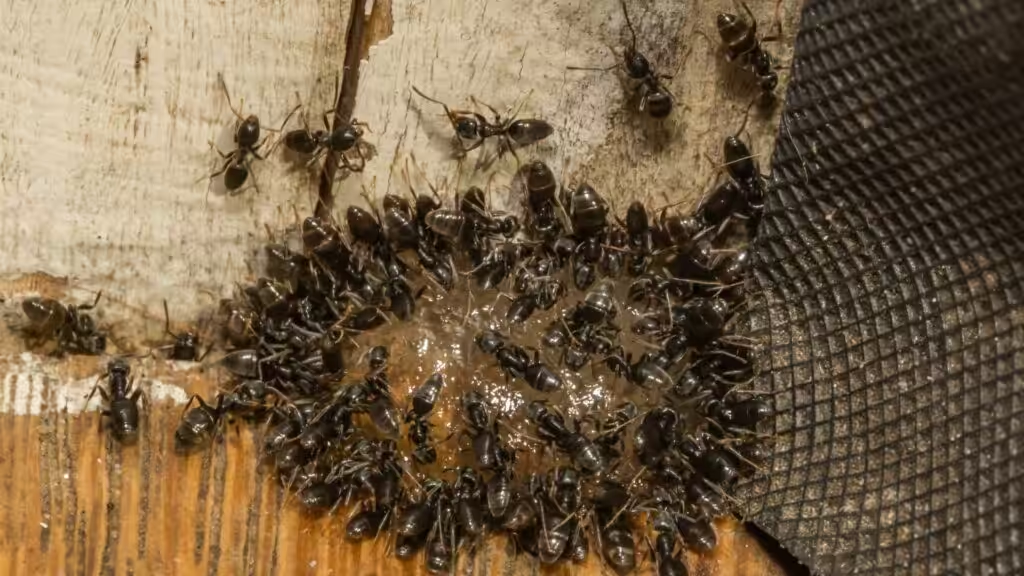
Ant bait uses a slow-acting insecticide blended into a food attractant. Worker ants feed on it, carry it back to the nest, and share it with the rest of the colony, including the queen. Once the queen dies, the colony collapses.
Ant traps and ant bait traps work on this same principle; they draw ants in rather than repelling them, which is why they outperform contact sprays for long-term control. Avoid disturbing feeding ants or cleaning up trails mid-treatment. If workers stop carrying bait before the queen is affected, the colony rebuilds.
Types of Ant Baits
Not every ant bait product works the same way or attracts the same species. Washington homeowners deal with a range of ant species year-round, and the format you choose — gel, liquid, granular, or station — matters as much as the product itself.
Gel Baits
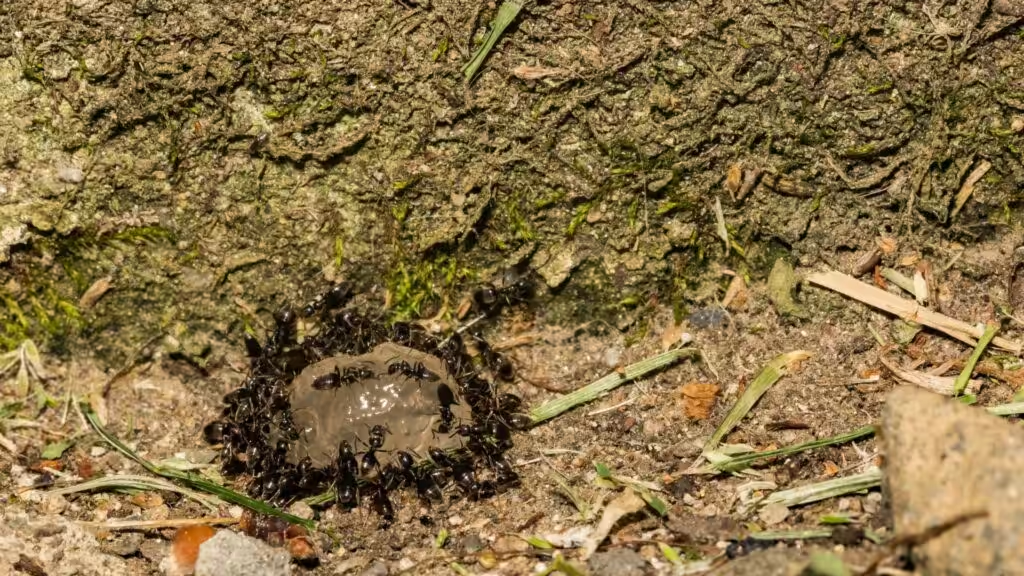
Gel baits rank among the most effective options for indoor ant problems. Apply small amounts near ant trails, baseboards, and entry points. Workers feed on the gel and carry it back into the nest before the active ingredient takes full effect.
Terro is the most widely used gel bait on the market, and its track record backs that up. Its borax-based formula moves slowly enough through the colony that workers share it broadly before dying.
It works especially well for small ants in the kitchen, particularly sugar ants and odorous house ants, both common in Washington homes. Most people mistake active feeding for the bait not working. Let workers feed undisturbed and give it time.
Liquid Baits
Liquid baits follow the same approach as gel, but in a more fluid form. Many ant bait traps use liquid bait sealed inside a housing unit, so ants can access it without direct contact with the product. Liquid formulas attract sugar-feeding ant species well, making them a strong pairing alongside ant bait strips or gel for indoor treatment.
If ants keep coming back despite baiting indoors, the entry points are likely still open. Learning how ants could be finding their way inside your home helps you close off access while the bait does its job inside.
Granular Baits
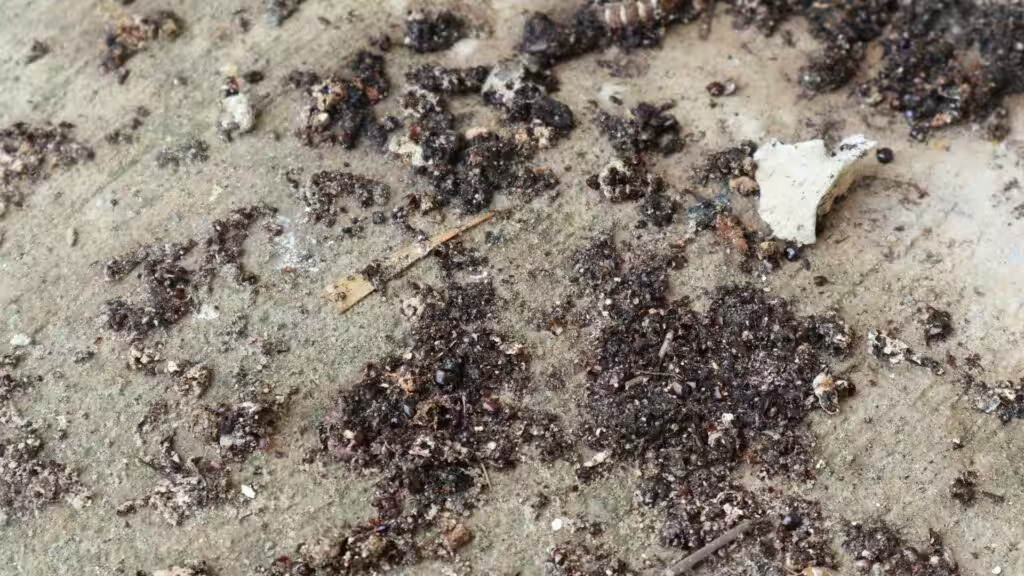
Granular baits suit outdoor use best. Scatter ant bait pellets around mounds, along active trails, and near foundation edges where ant activity runs high. They hold up well in open environments where gel dries out fast.
Amdro is one of the most recognized granular products available and works well for how to get rid of ant hills in lawns and along building perimeters. For ant bait traps in outdoor applications, granular formats outperform gel consistently. Apply in dry conditions and hold off on watering the treated area right after application.
Bait Stations
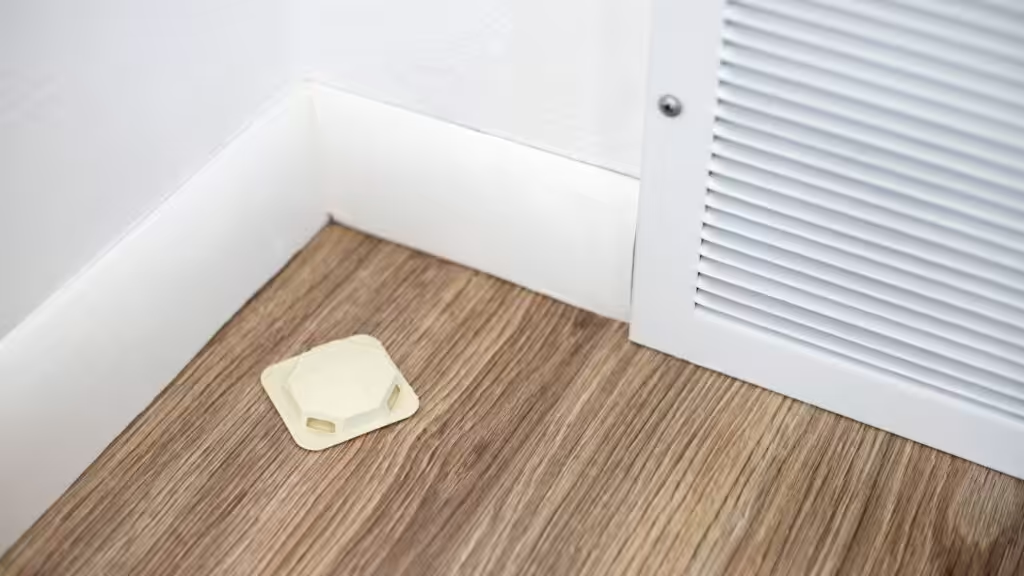
Ant bait stations contain bait inside a protective housing that limits exposure to weather, pets, and children. For households with animals or kids, pet-safe ant traps in station form give you a safer application than open bait products spread along surfaces.
Carpenter ant bait stations deserve a specific call-out here. Carpenter ants cause real structural damage in Washington, particularly in areas with prolonged moisture exposure. Standard sugar-based baits rarely attract them since carpenter ants feed on protein.
Protein-based bait stations placed along active carpenter ant trails and near damaged wood give you a far better chance of reaching the colony. If you have already noticed telltale signs of an ant problem in your home, placing targeted bait stations early puts you ahead of a larger problem.
Not sure which bait is right for your situation? Contact Natura Pest Control for a professional assessment specific to your home and the ant species in your area.
When Ant Bait Is Not Enough
DIY ant killer products handle minor infestations well, but consistent bait use over two weeks with little to no reduction in activity points to something deeper.
Large or well-established colonies can outlast bait treatments. Multiple colonies sharing the same trail create the appearance of one persistent infestation. Some species also require a different bait matrix than what most retail products offer.
A homemade ant trap or off-the-shelf bait won’t reach nests inside wall voids, beneath slabs, or within structural wood. In those cases, non-repellent ant spray applied professionally works alongside baiting to break down colonies without scattering them further into your home.
Washington’s ant season runs longer than most homeowners expect. A colony that survives one treatment cycle rebuilds quickly. If the best ant bait traps and regular prevention haven’t brought results, professional treatment cuts to the source. Natura Pest Control’s ant control services target the specific species active in Washington, locate nesting sites beyond reach, and build a treatment plan around your home’s layout, not a one-size-fits-all approach.