

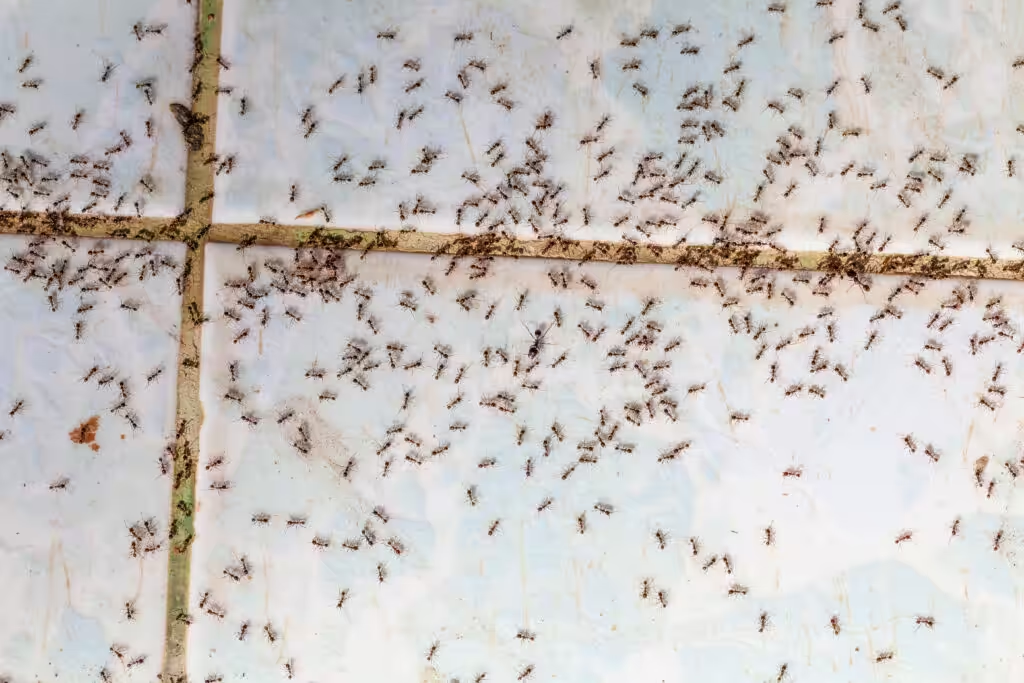
Ants are the uninvited guests that never seem to get the hint. One day, you spot a lone wanderer on your kitchen counter; the next, you’re dealing with a full-blown invasion. In the Pacific Northwest, these pests are more than just a nuisance—they are a persistent challenge for homeowners. Whether you are dealing with moisture-loving carpenter ants or the relentless pavement ants common in our area, identifying an infestation early is the key to reclaiming your space.
Whether you’re wondering if those garden mounds are harboring a colony or seeking insight into the top signs of ants in Washington State, we’ve got you covered. Here are the telltale signs that it’s time to call in the professionals.
1. Scout Ants
It starts innocently enough: a single ant crawling across your windowsill or kitchen island. This isn’t just a lost insect; it’s a scout. Ant colonies send these solo foragers out to locate food and water sources. If a scout finds a crumb, a spill, or an unsealed pet food bag, they return to the colony and leave a pheromone trail for others to follow.
Seeing one or two ants is rarely an isolated event. It is often the precursor to a much larger problem. If you spot these scouts, kill them immediately and wipe down the area with vinegar or soapy water to disrupt the scent trail they leave behind. However, if the scouts keep coming, the colony is likely nearby.
2. The “Food Raid”
The most obvious sign of an infestation is opening a cupboard or pantry to find a swarm of ants covering a food item. Ants are opportunistic feeders. They are drawn to sugars, fats, and proteins. An unsealed box of cereal, a sticky jar of honey, or even a few crumbs left on the counter can trigger a mass invasion.
Once ants find a reliable food source, they will relentlessly exploit it. If you find food that has been compromised, dispose of it immediately. Clean the shelving thoroughly and transfer your remaining pantry staples into airtight plastic or glass containers. This “starvation” method is a good first step, but for established colonies, it is often not enough to stop them completely.
3. Ant Pathways
Have you ever noticed ants moving in a straight line? That isn’t accidental. As mentioned, scouts leave pheromone trails that guide the rest of the workforce to the food source. These chemical highways can lead from a crack in the baseboard directly to your trash can or pantry.
In Washington State, where the damp climate drives pests indoors, you might see these pathways extending from the exterior foundation up your siding or across your porch. Tracking these pathways can help you identify where they are entering the structure, which is vital for effective outdoor ant control.
4. The Pet Food Raid
Your furry friends aren’t the only ones who love their dinner. Pet food bowls are a major attractant for ants. Because pet food is often left out for hours at a time, it provides an easy, consistent meal for a colony.
If you notice ants swarming your dog or cat’s bowl, wash the bowl immediately and try to establish set feeding times rather than leaving food out all day. Elevating the bowls or placing them in a shallow pan of water (creating a moat) can help, but if the ants are persistent, it’s a sign they are nesting inside your home.
5. Hollow Sounds in Wood
While sugar ants are annoying, carpenter ants are destructive. These large ants don’t eat wood like termites do; they excavate it to build their nests. This hollows out the timber, compromising the structural integrity of your home.
If you tap on a wooden beam, window sill, or wall stud and hear a hollow, papery sound, you may be dealing with a severe carpenter ant infestation. Unlike the nuisance of pavement ants in your house, carpenter ants can cause thousands of dollars in damage if left untreated.
6. Structural Damage
If carpenter ants are left unchecked, the damage eventually becomes visible. You might notice sagging floors, warped door frames, or window casings that seem to stick. In severe cases, you may even see “frass”—a sawdust-like material that ants kick out of their tunnels.
This type of damage is common in the Pacific Northwest due to the abundance of moisture, which softens wood and makes it attractive to carpenter ants. If you spot these signs, ant traps from the hardware store won’t cut it; you need professional structural pest control immediately.
7. Piles of Soil or Dirt
Not all ants live in wood. Many species, including the common pavement ant, build their nests in the ground. One of the clearest signs of ants in your house is the appearance of small, displaced piles of soil or sand. You might spot these mounds in the cracks of your driveway, along your patio, or even pushing up through expansion joints in your basement or garage floor.
These piles are the debris from the ants excavating tunnels underground. While they might seem like a minor cosmetic issue outside, seeing them indoors means the colony is living beneath your home’s foundation. Effective outdoor ant control is crucial here; treating the perimeter can prevent these soil-dwellers from finding their way inside.
8. Discarded Wings
If you see a swarm of flying insects in your home, it can be alarming. During the summer months, mature ant colonies produce “alates”—winged reproductive ants that leave the nest to mate and start new colonies. This event is known as a nuptial flight.
After mating, the males die, and the females shed their wings to find a nesting site. Finding piles of discarded wings on window sills or near baseboards is a definitive sign that a mature colony is already established inside your walls. It is important to distinguish these from termites (whose wings are all the same size), but either way, professional inspection is required.
9. Audible Rustling
It sounds like something out of a horror movie, but a large infestation can actually be heard. If you have a massive colony of carpenter ants in your walls, you may hear a faint rustling or crinkling sound, especially at night when the house is quiet. This is the sound of hundreds or thousands of ants moving and excavating inside your walls.
The Problem with DIY Ant Traps
When homeowners spot these signs, their first instinct is often to buy ant traps or bait stations. While these can kill a few foragers and offer temporary relief, they rarely solve the problem.
Most over-the-counter ant traps rely on sugary baits that attract only certain species or specific life stages of the colony. Furthermore, they don’t account for the colony’s ability to reproduce rapidly. You might kill the workers you see, but the queen remains safe deep inside the nest, continuing to lay eggs. In Washington State, where colonies can be interconnected and vast (especially with odorous house ants), DIY baits can sometimes cause the colony to “bud,” splitting into multiple new colonies and making the problem worse.
Prevention and Outdoor Ant Control
The best way to handle an ant problem is to stop it before it enters your living space. Outdoor ant control is the first line of defense. By creating a treated buffer zone around your home’s perimeter, you can stop pavement ants, carpenter ants, and sugar ants from breaching your foundation.
To make your home less attractive to ants, consider these tips:
- Seal Gaps: Caulk cracks around windows, doors, and foundation lines.
- Manage Vegetation: Keep tree branches and shrubs trimmed back from the house to remove “bridges” for ants.
- Eliminate Moisture: Fix leaky spigots and ensure gutters drain away from the foundation, as damp soil attracts pests.
Ants Infestation In Your House? Call Natura Pest Control!
Spotting the signs of an ant problem isn’t always easy, and solving it is even harder. Whether you are seeing pavement ants in your house pushing up dirt or hearing the rustle of carpenter ants in the walls, you need a solution that goes deeper than a spray bottle.
At Natura Pest Control, we understand the unique behavior of ants in Washington State. We don’t just treat the symptoms; we locate the nest and implement a comprehensive strategy that includes interior treatment and robust outdoor ant control. Don’t let a few scouts turn into a structural nightmare. If you suspect an infestation, give us a call today!
Proudly Serving:
- Vancouver
- Portland
- Washougal
- Battle Ground
- Ridgefield
- Woodland
- Longview
- Kelso