

Waking up with itchy red marks and not knowing what caused them is frustrating, but the answer matters more than most people realize. Scratching a bite you’ve misidentified leads to the wrong treatment, and worse, a pest problem you never address.
Flea bites and mosquito bites look similar at first glance, but knowing how to read the signs points you toward the real source.
Does a Flea Bite Look Like a Mosquito Bite
At a surface level, yes. Both leave red, itchy marks on your skin. But location, pattern, and appearance quickly set them apart.
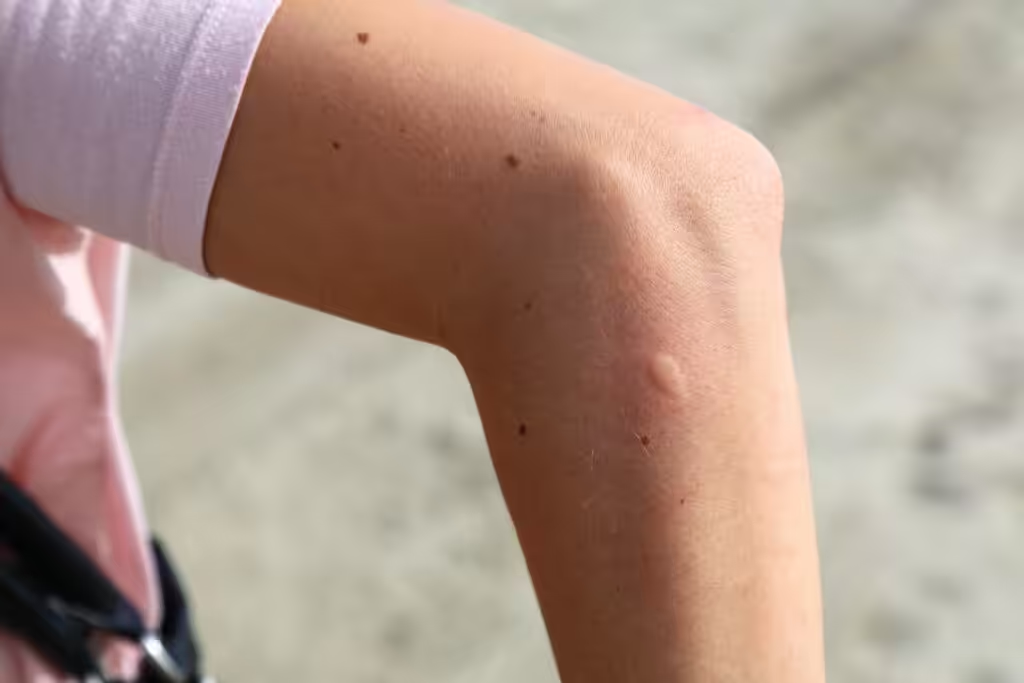
Mosquito bites tend to show up as single, raised welts scattered across exposed skin. Flea bites cluster, appear in lines or groups, and concentrate around ankles, feet, and lower legs, areas close to the ground where flea species are most active.
A flea bite close up shows a small, hard, red bump with a puncture point at the center, often surrounded by a reddish halo. Mosquito bites swell into a soft, rounded welt that flattens as it heals.
Flea Bite Identification and Symptoms
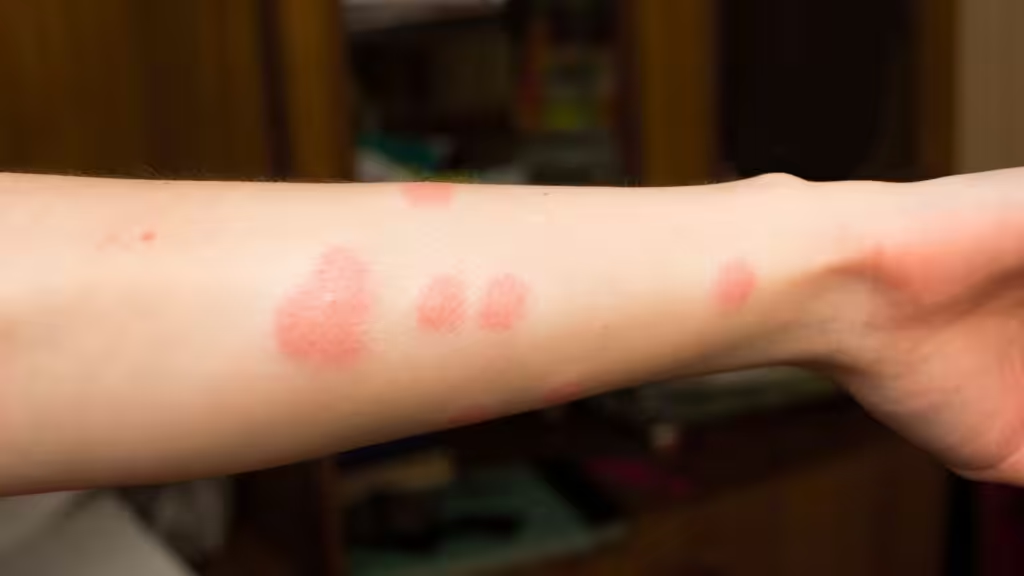
You’ll notice them in clusters of three or four, frequently along the ankles, behind the knees, or around the waistband. Itching hits fast — often within minutes of the bite — and can last several days.
Beyond the bite marks themselves, watch for secondary signs. If your pet is scratching constantly or you’re finding flea eggs and larvae in carpet fibers, bedding, or floor cracks, you’re dealing with more than a few stray insects.
Fleas on clothes are also a sign of a heavier infestation. Fleas hitchhike indoors on fabric and fur, which means bites indoors — not just outside — point to an active problem in your living space.
Some people react more severely than others. For those with sensitivities, bites can swell, blister, or trigger an allergic response. If you’re seeing repeated bites inside your home and can’t identify a source, check for obvious signs of fleas in your home before assuming another cause.
Mosquito Bite Identification and Symptoms
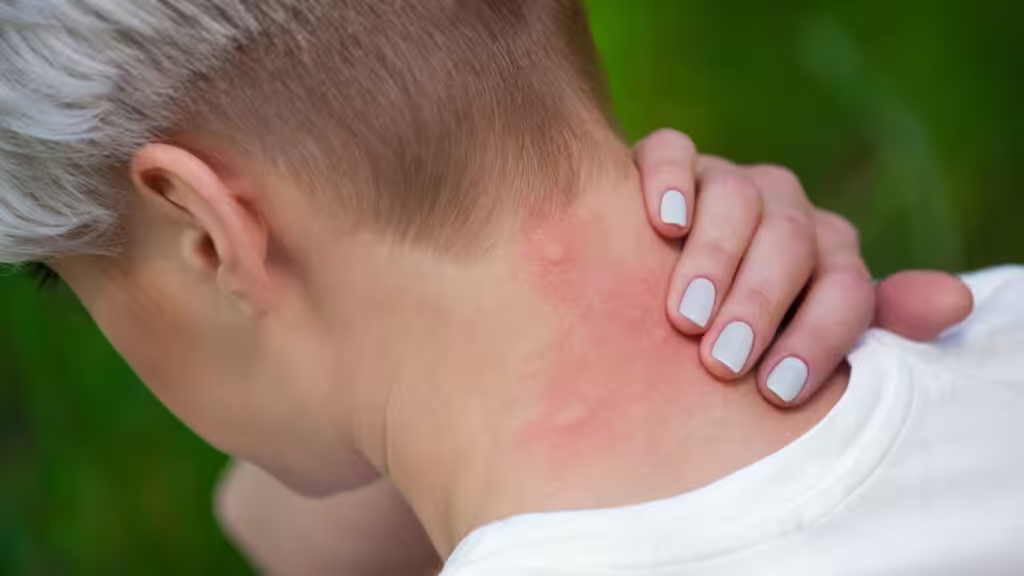
Mosquito bites appear as soft, rounded welts that show up shortly after exposure. Unlike flea bites, they don’t follow a set pattern and land wherever skin is exposed, like arms, neck, face, and legs. Itching peaks within the first few hours and gradually eases over a day or two.
Different types of mosquitoes produce bites of varying intensity. Some leave mild marks that fade quickly. Others, particularly species common in Washington’s wetter regions, cause more pronounced swelling and prolonged irritation. Bite activity peaks in the evening and early morning when mosquitoes feed most actively.
One overlooked issue is mosquito bite stains. Scratching bites aggressively breaks the skin and can leave dark marks that linger for weeks, especially on people with sensitive skin. Controlling the urge to scratch is the fastest way to let bites heal cleanly.
If you’re regularly dealing with mosquito activity around your home, understanding which mosquito species are active in your area helps you target prevention at the right time of year.
How to Treat Flea Bites and Mosquito Bites
Most bites from both pests respond to the same basic care. Wash the affected area with soap and water right away. Apply a cold compress for mosquito bites and flea bites to bring down swelling and reduce the urge to scratch.
For flea bites specifically, avoid scratching. Breaking the skin increases infection risk and slows healing. If bites are multiplying or spreading to new areas of your body, the source hasn’t been addressed. Topical treatment helps with symptoms, but flea treatment for your house is what stops new bites from appearing.
Flea medicine for pets is also a necessary part of the process. If your pet brought fleas in, treating only your home without treating your pet means the cycle starts over. Both steps need to happen together.
When Bites Mean You Have a Bigger Problem
Occasional bites after spending time outdoors are common in Washington. But bites that keep appearing indoors, concentrate on the same body areas, or show up in clusters are a signal worth taking seriously.
Flea infestations spread quickly because adults represent only a fraction of the total population. Flea eggs and larvae hiding in carpet, upholstery, and floor gaps make up the majority, and no amount of surface treatment reaches them without a proper plan.
Mosquito bites that persist indoors may also point to a breeding source closer than you think — standing water in gutters, flowerpots, or low-drainage areas near your foundation. Identifying what’s biting you and where it’s coming from is the first step. You can also compare these bites against bed bug bites to rule out additional pest issues.
If you’re finding flea bites on multiple household members, seeing fleas on clothes, or noticing your pet scratching nonstop, professional flea and tick control addresses what DIY products typically can’t reach.
Protect Your Home with Natura Pest Control
Treating the bites brings temporary relief. Treating the source ends the problem. Natura Pest Control works with Washington homeowners to identify the specific pest behind recurring bites, locate breeding areas, and build a treatment plan that works. If bites keep showing up in your home despite your best efforts, contact Natura Pest Control and get a clear answer on what you’re dealing with.