
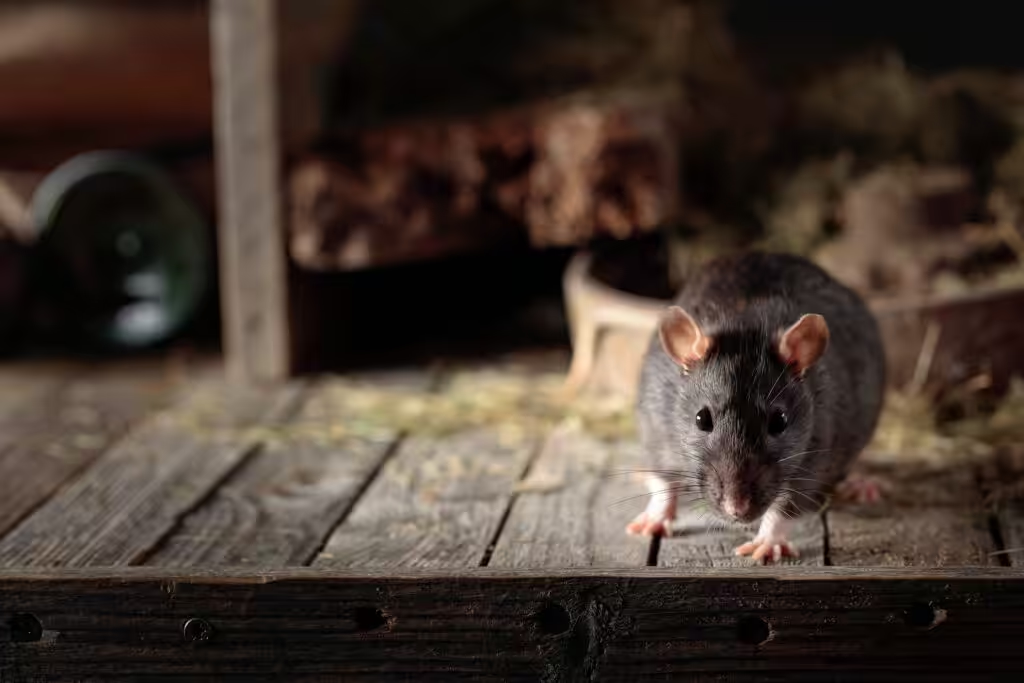
When winter settles over Washington State, temperatures drop and pests begin searching for dependable shelter. Roof rats, often called black rats, move indoors quickly as cold weather arrives. Their agility allows them to slip into attics, soffits, or roof vents without much effort. Once they get inside, they can cause significant trouble. Understanding how roof rats behave—and why they target certain homes—helps you protect your space during the coldest months.
Why Roof Rats Target Washington State Homes
Roof rats prefer elevated areas. As winter approaches, they travel along roof edges, utility lines, tree branches, and fences to search for warm and enclosed spaces. Homes in Washington State often provide exactly what they want. Mature landscaping, thick vegetation, and wooded surroundings create ideal travel routes.
These rodents stay active year-round. However, they grow far more determined during winter. Their slender shape helps them squeeze through gaps many homeowners do not notice. Loose screens, cracks at roof joints, and unsealed utility openings give them quick access to protected spaces.
Once inside, roof rats settle in fast. They reproduce several times a year. Because of this, even a small intrusion can escalate into a major rodent problem if it goes unnoticed.
Common Signs of Roof Rat Activity
Early detection matters. Watching for the early warning signs of rat activity helps prevent expensive repairs later. Look for:
- Slender droppings with pointed ends. The type of droppings found in the home can help confirm rodent species.
- Noises coming from attics, rafters, or upper walls.
- Chewed insulation or damaged storage boxes.
- Dark rub marks along beams or narrow travel paths.
- A musty odor near nesting spots.
- Screens or roofline gaps that appear disturbed.
If any of these signs appear, it’s time to contact Natura Pest Pros for a detailed inspection.
The Risks of Roof Rat Infestations
Roof rats carry pathogens that can affect people and pets. Some diseases linked to rat exposure spread through contaminated surfaces. Rats may also impact indoor air quality when droppings or urine collect in attic spaces.
Structural problems can develop as well. Rats chew constantly, which puts electrical wiring at risk. Exposed wires increase fire hazards. Damaged insulation reduces energy efficiency and may trap moisture inside attic voids.
Garages face similar threats. Roof rats use elevated beams to enter, then drop into storage areas in search of nesting material or food. Pet food left out, clutter, and unsealed doors create easy opportunities.
Ignoring activity allows these issues to escalate. Professional help is the most reliable way to stop roof rats before major problems develop.
Why Professional Services Outperform DIY Methods
Roof rats are athletic and cautious. Their high travel routes make them much harder to trap than many homeowners expect. Ground-level traps rarely work because roof rats prefer rafters and narrow overhead paths.
Trained technicians understand this behavior. They know the differences between rats and mice, including variations in nesting habits, movement patterns, and feeding behavior. They also consider the relationship between mice and rats, since both species may compete for resources inside a home.
Because roof rats avoid unfamiliar objects, DIY methods may take weeks without real results. Professional tools and techniques deliver targeted control that works faster and more reliably.
What to Expect During a Professional Inspection
A complete inspection looks at both the exterior and interior of your home. Since roof rats enter from above, roof-level access points receive special attention.
Exterior Inspection
Technicians examine:
- Gaps near rooflines, soffits, and vents
- Loose or broken attic screens
- Tree limbs touching the roof
- Damaged shingles or roof joint openings
- Utility entry points for cables, pipes, and wires
Interior Inspection
Inside, they check:
- Attic insulation and joists for disturbances
- Nesting material in rafters
- Gaps near chimneys or plumbing lines
- Storage areas that may attract rodents
- Wall voids for hidden travel paths
Washington State weather changes often during winter. Shifts in temperature influence rodent pressure. Natura Pest Pros adjusts inspection methods based on these seasonal patterns.
Strategic Exclusion and Sealing
Keeping roof rats out requires sealing every potential entry point. Professionals use durable materials like hardware cloth, metal flashing, and high-strength sealants. These materials prevent chewing and block common access routes.
Many entry points sit high above ground level. Reaching them safely requires proper equipment and experience. Technicians seal gaps around vents, soffits, and attic access points to ensure rats cannot return.
Targeted Elimination Strategies
If roof rats are already living inside your home, removal becomes the top priority. Natura Pest Pros creates customized treatment plans based on your home’s layout and activity levels.
Placement matters. Roof rats prefer narrow, elevated routes. Technicians place devices where activity is highest, often in areas homeowners cannot reach safely.
Follow-up visits confirm progress. If activity continues, adjustments are made to ensure complete success. During the process, experts may suggest natural ways to repel rodents using scent deterrents or habitat modifications. These tips help support long-term prevention, although natural methods alone cannot remove active infestations.
A Quick Look at Rodent Repellents
Peppermint oil and similar repellents may discourage rats temporarily. They work best when paired with exclusion and monitoring. Some homeowners also find that predators like cats can discourage rat activity, but relying solely on pets does not eliminate established nests.
Benefits of Year-Round Pest Protection
Ongoing protection provides consistent defense as seasons change. A yearly service plan can include:
- Seasonal exterior inspections
- Adjusted treatments based on rodent pressure
- Maintenance of exclusion barriers
- Faster response times
- Reduced long-term repair expenses
After removal, decontamination helps restore sanitary conditions. Technicians remove droppings, nesting materials, and contaminated insulation. This step helps prevent the hidden risks that mice create inside walls, since both rats and mice can leave behind harmful debris.
The Natura Pest Pros Advantage
Natura Pest Pros brings local knowledge to every service visit. Their technicians understand how Washington State neighborhoods, climate, and wildlife influence roof rat behavior. This regional insight means more accurate inspections and more reliable results.
Their services include guaranteed support. If roof rats return between visits, technicians come back at no additional cost. Fast response times help protect your home during peak winter activity.
Rodent Control in Washington State
If you hear noises in your attic or see signs of roof rats, don’t wait. Early action limits damage and keeps your home healthier. Contact Natura Pest Pros today to schedule professional rodent control. Their proven methods make getting rid of rats safer and more effective.
Proudly Serving:
- Vancouver
- Camas
- Washougal
- Battle Ground
- Ridgefield
- Woodland
- Longview
- Kelso