

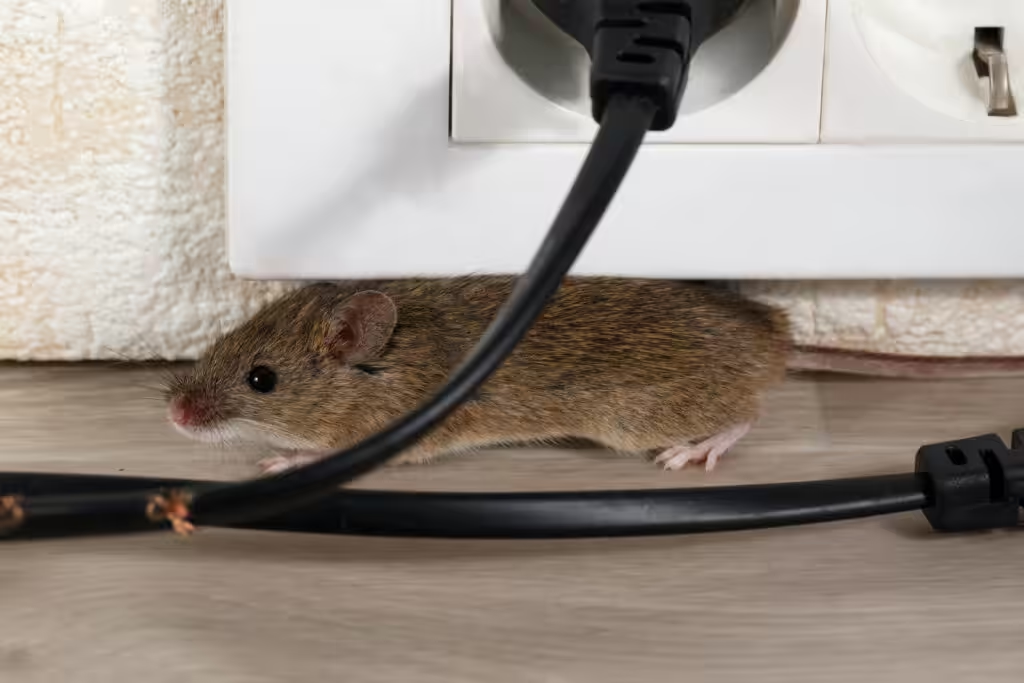
Rodents may look small, but the destruction they cause inside homes in Oregon and Washington can be surprisingly large. These pests create expensive repairs, unsafe conditions, and ongoing frustration for homeowners. When rodents move indoors, they chew, contaminate, scratch, and tunnel through materials that keep your home safe and functional.
Understanding the real damage rodents can cause is the first step toward preventing costly problems. It also helps you take action quickly when you notice the early signs of a rodent infestation. At Natura Pest Control, we help homeowners stay informed so they can protect their properties before issues spiral out of control.
Why Rodents Are a Serious Problem
Rodents enter homes looking for warmth, food, and shelter. Once inside, they rarely stay hidden. They chew on nearly anything. They dig into soft materials. They contaminate surfaces and stored items. Their constant activity leads to damage that gets worse with time.
Here are the main types of damage they cause:
- Electrical hazards from chewing on wiring, which can spark fires or cause outages
- Plumbing and pipe damage that leads to leaks, rot, and hidden water issues
- Structural damage to drywall, soft wood, framing, and subflooring
- Destroyed insulation, which weakens temperature control and increases energy costs
- Health risks from droppings, urine, and contaminated surfaces or food
- Noise disturbances, including scratching and scurrying in walls or attics
- Damage to stored items, such as clothing, decorations, cardboard boxes, and even vehicle wiring
In Oregon and Washington, the climate makes homes especially attractive to species such as norway rats, deer mice, and roof rats. These rodents take advantage of gaps around foundations, pipes, vents, and loose siding. Once inside, they can move freely through walls, attics, crawl spaces, and garages.
Small openings are all they need. They use these access points to spread through your home. As they do, the damage grows.
Rodents Chew Wires
One of the most dangerous issues rodents create is electrical damage. Rats and mice have teeth that never stop growing. To keep those teeth trimmed, they gnaw constantly. Electrical wiring is a common target.
Chewed wires create a serious fire hazard. The protective coating around a wire keeps electricity contained. When rodents chew through that coating, exposed wiring can spark or short-circuit. Many house fires start this way.
Even if a fire does not occur, the damage can still disrupt your electrical system. You might notice flickering lights, dead outlets, or tripped breakers. An electrician may need to trace and replace sections of damaged wiring, which can be costly and time-consuming.
Rodents Damage Plumbing and Pipes
It may be hard to imagine rodents chewing on pipes, but they do it all the time. Their sharp teeth cut through many types of plumbing materials. Plastic pipes, in particular, are highly vulnerable.
A small bite can weaken a pipe. Over time, that weak spot can turn into a leak. Hidden leaks inside walls or under floors create water damage, mold growth, and structural issues. These problems can be difficult to detect until the damage is significant.
Rodents may also chew on insulation around pipes. When insulation is destroyed, pipes become more likely to freeze in cold weather. This raises the risk of breaks, flooding, and expensive repairs.
Drywall and Wood Become Easy Targets
Rodents move through homes by creating pathways. To do that, they chew through drywall, soft wood, and other building materials. You may find small holes along baseboards or larger openings behind appliances or furniture. These areas allow rodents to slip through walls and floor spaces.
Once the damage begins, it usually spreads. Rodents use these access points to reach more parts of the home. In some cases, they chew along support beams, subflooring, or roof materials.
Wood damage weakens important structures. If left untreated, it may require repair or replacement. The longer rodents stay inside, the more destruction they leave behind.
Insulation Suffers Heavy Damage
Insulation is soft, warm, and ideal for nesting. Rodents drag pieces away to build nests. They shred the material, contaminating it with urine and droppings. Once insulation is compromised, it can no longer regulate temperature effectively.
Poor insulation leads to drafts, uneven heating, and higher energy bills. It also attracts more pests. The problem spreads through attics, crawl spaces, and behind walls. Removing and replacing contaminated insulation can be expensive, but it is often necessary after a large rodent infestation.
Contamination Creates Health Concerns
Rodents leave behind droppings, urine, hair, and grease marks. They climb across counters, shelves, and pantry areas. As they travel, they contaminate food sources and living spaces.
This contamination can introduce harmful bacteria. It can also trigger allergies, asthma, and respiratory irritation. In some cases, droppings may carry pathogens that spread through the air when disturbed. Because of these risks, cleaning up after rodents requires care.
Professional rodent removal ensures the nest sites, droppings, and contaminated materials are handled safely.
Scratching Noises and Gnaw Marks Are Common Signs
Many homeowners hear rodents before they see them. Scratching in walls, ceilings, or attics often signals the start of a problem. You may also hear scurrying at night, especially if norway rats are active.
Visible gnaw marks on furniture, baseboards, or stored items are another clue. Fresh marks tend to be lighter in color. Older marks appear darker. These signs help identify where rodents are spending time.
Droppings often appear along the same paths. Small, dark pellets may collect in pantry corners, behind appliances, or inside cabinets. If you notice these signs, fast action is key.
Rodents Damage Stored Items
Rodents rarely limit themselves to building materials. They chew through cardboard boxes, clothing, holiday decorations, pet food bags, and stored supplies. In garages and attics, they destroy insulation, car wiring, and garden equipment.
The longer rodents stay, the more items they damage. They often drag pieces of fabric, paper, or stuffing back to their nesting sites. This cycle continues until the nest is removed and the population is controlled.
How Rodents Multiply So Quickly
Rodents breed at a fast rate. A single pair of mice can produce dozens of offspring within months. Norway rats also reproduce quickly. If conditions are good, the population increases before you even notice a problem.
As the group grows, so does the damage. More rodents means more chewing, more contamination, and more noise. Early detection and quick action prevent the issue from becoming overwhelming.
Preventing Rodents in Your Home
Prevention plays a major role in reducing rodent activity. Small steps can protect your home from future problems.
Seal cracks around your foundation. Close gaps where pipes enter the home. Repair damaged screens and tighten loose siding. Store food in airtight containers. Keep areas clean and clutter-free.
Trim bushes and tree branches away from the house. Rodents use these to reach upper levels, including roofs and attics. Removing outdoor hiding spots also reduces their chances of getting inside.
Why Professional Rodent Removal Matters
DIY methods often fail because rodents are smart, cautious, and fast. They detect and avoid many consumer traps. They may also hide in places that are hard to reach without proper equipment.
Professional services target the entire problem. Experts identify entry points, nesting sites, feeding routes, and population size. They remove rodents safely and prevent them from returning.
At Natura Pest Control, we help protect homes across Oregon and Washington with effective solutions tailored to local rodent species. Our team understands how these pests behave and what methods work best in this region. With our support, you can protect your home and regain peace of mind.