
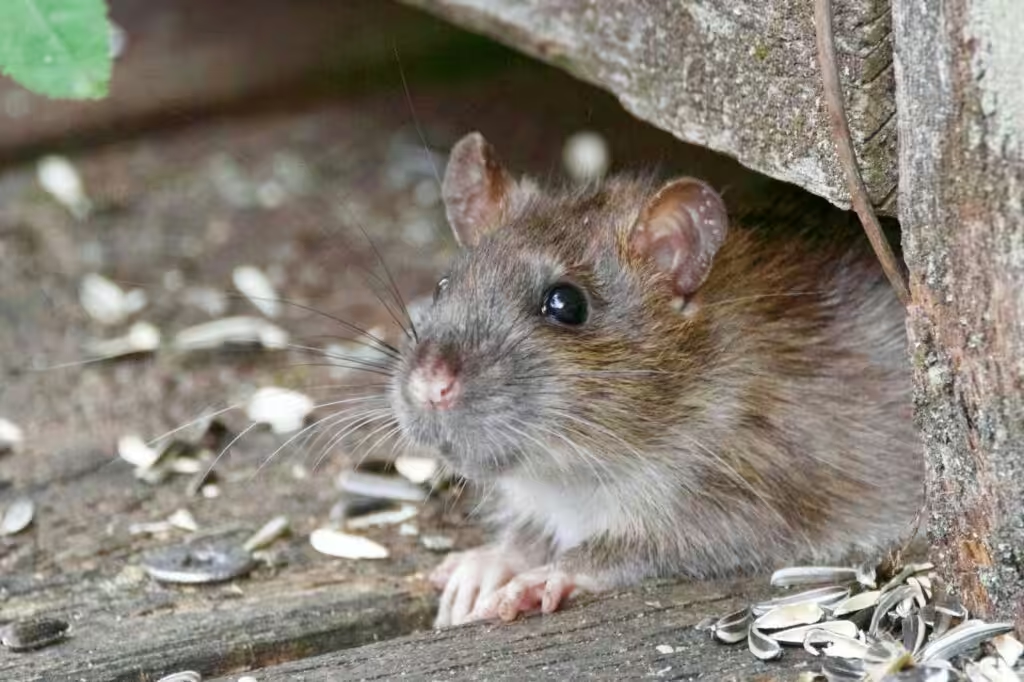
As Portland heads into the fall, thinking about pumpkin spice and Halloween, rats are thinking even further ahead: they’re already scouting for their winter hideouts.
As neighborhoods from the Pearl District to Mount Tabor experience increased rodent activity during cooler months, many homeowners are wondering about a serious health concern: do rats carry hantavirus?
The answer might surprise you, and understanding the facts could protect your family from unnecessary worry while keeping you alert to real risks.
What Is Hantavirus and How Is It Transmitted?
Hantavirus pulmonary syndrome (HPS) is a severe respiratory disease that has concerned public health officials since its identification in the 1990s.
While, “do rats carry hantavirus?” is a common search query, the reality is more nuanced than a simple “yes” or “no.”
Deer mice are the primary carriers of hantavirus in the Pacific Northwest, not the common Norway rats or roof rats that typically invade Portland homes. These mice prefer rural and semi-rural areas around Mount Hood and the Columbia River Gorge rather than urban neighborhoods like Hawthorne or Alberta.
But this doesn’t mean you should ignore rodent activity entirely. Other rodent-borne diseases pose legitimate threats to Portland families:
- Salmonella from contaminated surfaces
- Rat-bite fever from direct contact
- Leptospirosis through urine contamination
- Plague (rare but documented in Oregon)
The transmission of hantavirus typically occurs when people inhale dust particles contaminated with infected rodent droppings, urine, or saliva. This often happens during cleaning activities in enclosed spaces like attics, basements, or storage areas that haven’t been disturbed for months.
Signs of Rodent Activity That Could Put You at Risk
Portland’s older homes in areas like Irvington and Laurelhurst are particularly susceptible to rodent intrusions. Recognizing early warning signs helps you address problems before they escalate:
- Small, dark droppings along walls or in corners
- Gnaw marks on food packages or wooden structures
- Grease marks along baseboards from rodent fur
- Nesting materials like shredded paper or fabric
- An odd, musty odor that you just can’t shake
- Scratching sounds in walls during evening hours
- Scurrying noises above ceiling tiles
- Squeaking or chittering sounds
According to the Centers for Disease Control, homes with significant rodent infestations pose the highest risk for disease transmission. Even if the question, “do rats carry hantavirus?” isn’t your biggest concern, the presence of rodents creates unsanitary conditions that compromise your family’s health.
How to Protect Your Home and Family from Rodent-Borne Diseases
Prevention beats treatment every time, especially when dealing with potential disease vectors. Portland’s wet climate creates ideal conditions for rodent population growth, making year-round vigilance essential.
Seal Entry Points
Check your home’s exterior for gaps larger than a quarter-inch. Pay special attention to areas where utilities enter your home, gaps under doors, and spaces around windows. Steel wool combined with caulk creates an effective barrier that rodents cannot chew through.
Eliminate Food Sources
Store dry goods in airtight containers made of glass or metal. Clean up crumbs immediately after meals, and don’t leave pet food accessible overnight. Bird feeders should be positioned away from your home’s exterior walls.
Remove Shelter Options
Trim vegetation away from your home’s foundation. Store firewood at least 20 feet from living spaces and elevate it off the ground. Clear cluttered areas in basements, attics, and garages where rodents might nest.
Safe Cleanup Practices
If you discover rodent droppings, never sweep or vacuum them immediately. Instead, ventilate the area for 30 minutes, then spray the contaminated area with a disinfectant solution. Wear gloves and a mask during cleanup, and dispose of contaminated materials in sealed bags.
Did You Know?
Hantavirus cases in Oregon average fewer than one per year, with most occurring in rural counties east of the Cascades. The virus cannot spread between people, and simple precautions during cleanup activities eliminate most transmission risks. However, early symptoms of hantavirus, like fever, muscle aches, and fatigue, often resemble the flu, making prompt medical attention especially important if you’ve been exposed to rodent-contaminated environments.
Stay Safe from Rodents With Natura Pest Control
While the question “do rats carry hantavirus” might have brought you here, the bigger picture involves comprehensive rodent management that protects your Portland home year-round. Professional pest control services identify problem areas you might miss and implement targeted solutions that address root causes.
We understand Portland’s unique pest challenges, from the dense urban neighborhoods of Southeast Division to the suburban communities in Beaverton and Lake Oswego. Our integrated approach combines immediate population control with long-term prevention strategies tailored to your property’s specific needs.
Don’t let rodent concerns keep you awake at night. Contact our experienced team today for a comprehensive inspection and customized treatment plan that gives you peace of mind.
FAQ
Can house rats transmit hantavirus to humans?
While house rats (Norway rats and roof rats) are not primary hantavirus carriers, deer mice in rural areas can transmit the virus. Focus on general rodent prevention regardless of species.
What should I do if I find rodent droppings in my Portland home?
Ventilate the area for 30 minutes, spray with disinfectant, wear protective gear during cleanup, and avoid sweeping or vacuuming. Consider professional assessment for large infestations.
How can I tell the difference between rat and mouse droppings?
Rat droppings are larger (about ¾ inch long) and more cylindrical, while mouse droppings are smaller (¼ inch) and pointed at both ends.
Are there other diseases I should worry about from rodents in Portland?
Yes, including salmonella, rat-bite fever, and leptospirosis. Professional pest control helps minimize risks from all rodent-borne diseases.