

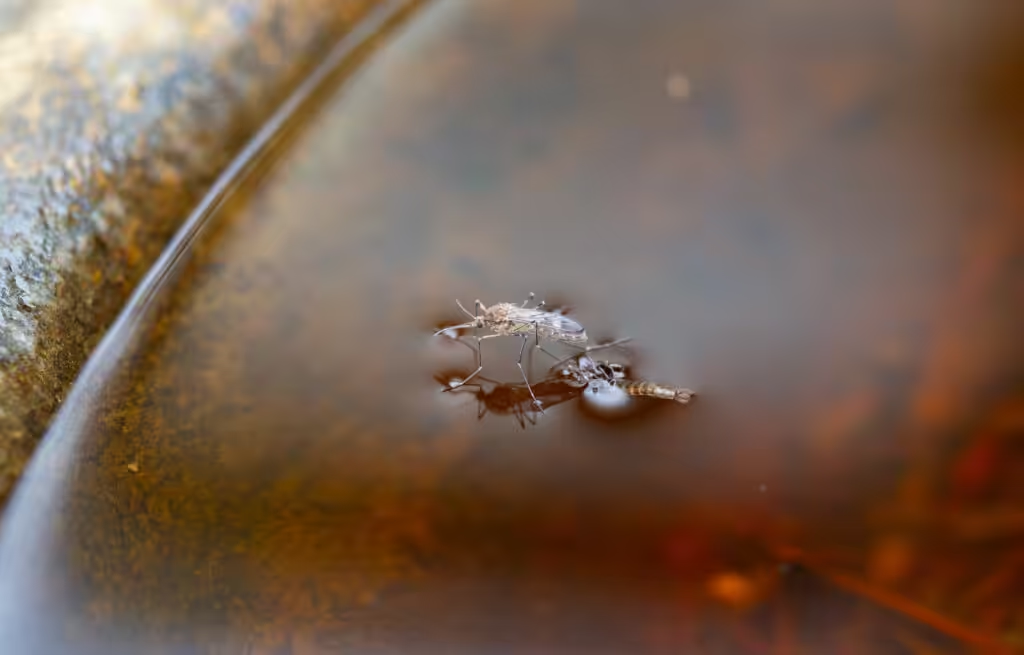
Where do mosquitoes breed around your property? Any standing water that lasts more than five days becomes a potential nursery for hundreds of mosquitoes. From clogged gutters to forgotten buckets, these pests exploit water sources you might overlook daily.
Eliminating mosquito breeding grounds requires identifying every spot where water collects and sits undisturbed. Understanding mosquito reproduction habits helps you target the right areas before populations explode in your yard.
Mosquito Breeding Grounds & Water Sources
Mosquitoes like water, as female mosquitoes need water to lay eggs. Eggs require aquatic environments for larvae to develop, and females seek out even the smallest water sources to continue their life cycle.
Common mosquito breeding places in Washington yards include:
- Clogged rain gutters holding stagnant water after storms
- Bird baths that sit unchanged for days
- Plant saucers under potted containers on decks and patios
- Tire swings and discarded tires collecting rainwater
- Tarps covering equipment that create water-holding pockets
- Neglected swimming pools or hot tubs with poor circulation
Less obvious sources catch homeowners off guard. Hollow fence posts, tree holes, and even dense ivy ground cover trap moisture long enough for mosquitoes to complete their breeding cycle. Check areas where lawn irrigation overspray creates persistent puddles; mosquitoes only need a bottle cap’s worth of water to lay viable eggs.
What Do Mosquito Larvae Look Like in Water?
What do mosquito larvae look like in water when you’re inspecting potential breeding sites? Larvae appear as tiny, wriggling organisms hanging just below the water’s surface. Most people describe them as looking like miniature worms with distinct heads and segmented bodies that thrash in characteristic S-shaped movements.
Larvae breathe through tubes on their rear ends, forcing them to surface regularly for air. You’ll spot them clustered near the edges of containers or floating in groups across still water. Close inspection reveals their heads moving constantly as they filter-feed on organic matter suspended in water.
Mosquito pupae look different. They curl into comma shapes and tumble through water when disturbed rather than swimming in straight lines like larvae. Pupae don’t feed and stay near the surface, preparing for their final transformation into flying adults. Finding either larvae or pupae confirms active breeding in that water source.
Keeping your backyard mosquito-free involves eliminating water sources completely instead of relying on detection alone.
Mosquito Breeding Season & Lifespan
Mosquito breeding season in Washington typically runs from late spring through early fall, though mild winters can extend activity into November. Mosquitoes need temperatures above 50°F to remain active, and breeding accelerates once consistent warmth arrives in May and June.
The lifespan of mosquitoes varies by species and environmental conditions. Adult females live roughly two to three weeks under ideal conditions, while males survive only about one week. Females can lay multiple egg batches containing up to 300 eggs per batch. These eggs hatch within 24-48 hours in warm weather, and larvae mature into biting adults in as little as seven days.
Female mosquitoes can produce eggs every three days once they’ve taken a blood meal. One breeding pair multiplying unchecked can produce thousands of descendants in a single season.
When Mosquitoes Breed Most in Your Area
Washington mosquitoes breed most aggressively during warm, humid periods when standing water remains abundant. June through August represent peak breeding activity as temperatures stay consistently warm and afternoon thunderstorms create temporary puddles that females target immediately.
Early spring breeding begins as soon as snow melts and temperatures stabilize above 50°F. Mosquitoes emerging from winter hibernation seek out water sources quickly to start new generations. Your yard might see breeding activity as early as April, depending on weather patterns and elevation.
Fall breeding continues until the first frost kills adult populations. However, some mosquito species lay cold-hardy eggs that survive freezing temperatures and hatch the following spring.
Local mosquito abatement efforts intensify during peak season, but property-level prevention works year-round. Empty containers weekly, maintain proper drainage, and address standing water immediately rather than waiting for seasonal treatments to control populations.
Natura Pest Control Treatment Options
Professional mosquito treatment targets both adult populations and breeding sites to break the reproductive cycle. Our Washington team combines mosquito removal services with property assessments that identify every water source supporting mosquito development.
We start with thorough yard inspections that map breeding hotspots you might miss. Technicians check obvious sources like ponds and containers while also examining drainage issues, irrigation problems, and landscape features that trap water. You receive detailed reports explaining what we found and specific recommendations for eliminating conducive conditions.
Mosquito spray companies for yard applications use targeted barrier treatments that reduce adult populations immediately. We focus our applications on vegetation, structures, and shaded areas where mosquitoes rest between blood meals. Advanced mosquito traps supplement spray treatments by continuously reducing populations throughout the season.
Our technicians also apply larvicides to water sources that can’t be drained. They receive treatments that prevent larvae from maturing without harming fish, plants, or other wildlife. These products work for weeks, providing ongoing protection between service visits.
Natura Pest Control Mosquito Control Costs
Mosquito control cost depends on your property size, treatment frequency, and infestation severity. Most Washington homes benefit from monthly applications during peak season, with costs decreasing for larger properties treated on regular schedules.
Initial treatments typically cost more because they involve complete property inspections, identifying all breeding sites, and applying comprehensive barrier treatments. Follow-up visits focus on maintaining protection and addressing new breeding sources that develop between treatments.
We offer seasonal packages that cover you from spring through fall at reduced per-visit rates compared to one-time treatments. Package pricing includes unlimited service calls if mosquito activity returns between scheduled visits, ensuring your yard stays protected throughout the breeding season.
Contact our team for free property assessments and what it takes to eliminate them. You’ll receive transparent pricing upfront with no hidden fees, plus guidance on simple prevention steps that support our professional treatments year-round.