

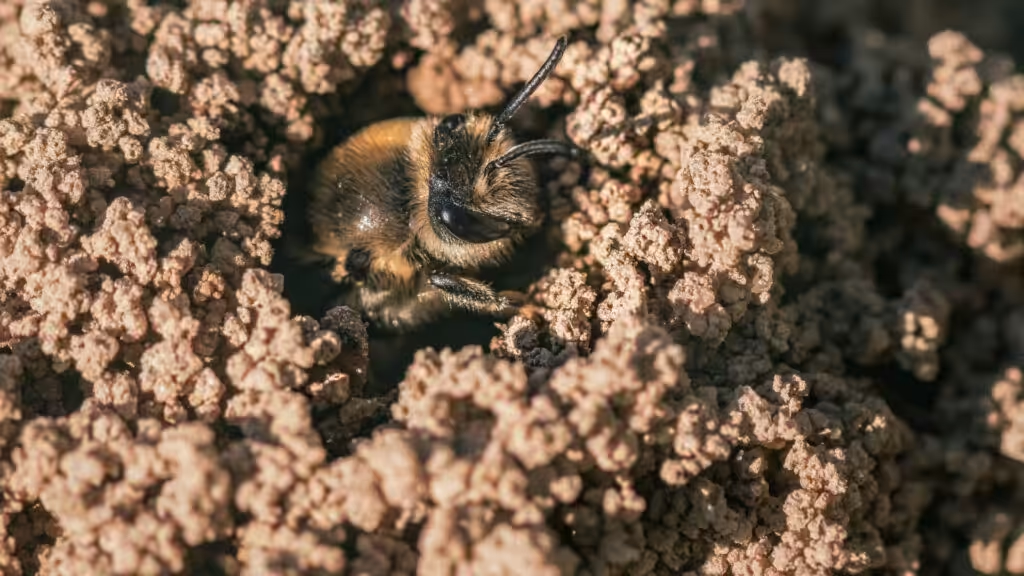
Nesting underground is the one thing these species have in common. Past that, native ground-nesting bees and ground-nesting yellow jackets are unrelated and behave very differently. The distinction between them matters more than anything else when deciding how to handle a nest in your yard.
Solitary nesters are low-risk. A female mining bee or sweat bee digs a small tunnel, provisions it with pollen, and that’s it. No colony, no queen to defend. The nest is a single-use burrow with no organized defensive response built into it.
Common Species That Nest Underground
Several unrelated species nest in the ground in the Pacific Northwest and are frequently mistaken for one another:
- Mining bees are small, fuzzy, and solitary. They rarely sting even when handled directly.
- Bumble bees are colonial but docile, usually occupying existing cavities like old rodent burrows
- Yellow jackets nest colonially and defend aggressively, stinging multiple times without losing the stinger
- Cicada killer wasps are large and look alarming, but they’re solitary and largely non-aggressive
Misidentifying a yellow jacket colony as a bumble bee nest is the most consequential mistake you can make before attempting removal. They can look similar from a distance. Their defensive behavior is not similar at all.
Are Ground Bees Dangerous?
Solitary native species aren’t a hazard. Mining bees and sweat bees rarely sting. There’s no colony to defend, no workers responding to a perceived threat. A yard with dozens of individual mining bee burrows in a sunny patch of bare soil is more of a pollinator benefit than a problem, and leaving those nests alone is usually the right call.
Yellow jackets are a different situation. By late summer a single colony can hold thousands of workers, and they defend aggressively. Accidentally disturbing a ground nest while mowing or stepping near the entrance triggers a swarm response faster than most people expect. Multiple stings happen in seconds. Anyone with a venom allergy faces a serious medical risk from a single encounter near an active nest.
Solitary vs. Colonial Ground Nesters
Solitary species have no colony to protect, so their defensive instinct is minimal. Colonial species, particularly yellow jackets, will pursue a perceived threat aggressively and for a meaningful distance from the nest entrance. That behavioral gap is the whole reason species ID matters before you do anything.
If you’re seeing single insects entering and exiting individual small holes in a loose pattern, solitary bees are the likely explanation. A consistent, directed stream of insects into a single larger hole is different. Same if disturbing the area launched a swarm. Observe from a safe distance and don’t probe the ground near it.
How to Identify a Ground Nest
Start with the entrance. Solitary bee burrows are small and scattered, often pencil-sized, spread loosely across a bare or lightly vegetated patch of soil. Yellow jacket ground nests have a defined opening, usually ringed with excavated dirt. Yellow jackets frequently take over abandoned rodent burrows, so the entrance can look exactly like one.
Activity level tells you a great deal. A yellow jacket nest shows a steady stream of workers coming and going during the warm parts of the day, especially in late summer when populations peak. A mining bee burrow shows occasional single-bee movement as the female makes provisioning trips. The difference in traffic volume alone is usually enough to tell them apart.
Signs of Yellow Jacket Underground Activity
Nothing above ground gives a yellow jacket nest away, which is part of what makes them hazardous. Watch for these indicators:
- A defined entrance hole in the soil with loose, excavated dirt piled around it
- Consistent, directed wasp traffic into and out of the same ground-level point
- Surge of wasp activity near the surface after rain, when moisture reaches the colony below
- Defensive wasp behavior when moving or working near a specific area of the yard
If you’ve identified what looks like a yellow jacket ground nest, stop working in that area and keep people and pets away until it can be treated. For more on what’s commonly active in this region, our page on bees and yellow jackets in the Vancouver and Portland metro area covers what we encounter most and how to tell species apart.
Ground Bee Removal: What Works
Solitary bee nests rarely need to come out. If one’s in an inconvenient spot, limiting soil disturbance in that area and adding mulch or ground cover is usually enough. Reducing the bare soil these species prefer discourages future nesting without affecting pollinators that are already gone for the season.
Bumble bee colonies are a different call. They’re beneficial, and in some areas protected. If a colony is in a location that creates a genuine hazard, relocation by someone with the right experience is the appropriate response. Extermination should be the last option, not the first.
When to Call a Professional
An active yellow jacket ground nest is not a DIY job. The colony is underground, the entry point is at ground level, and getting close to it without proper protection is a real risk. Treatment has to penetrate deep enough to reach the colony, and the site typically needs a follow-up to confirm elimination before the area is safe to use again.
Ground hornet nests are less aggressive but still benefit from professional assessment when they’re near areas where people walk or work regularly. A full wasp control evaluation identifies what’s nesting where and determines the right approach for each species on the property.
Found a Ground Nest? We Can Help.
Not every ground nest needs to come out. But the ones that do need to be handled correctly, and a yellow jacket colony in your yard isn’t something to work around. If you’ve spotted what looks like an active ground nest, or wasps are coming out of the ground near your home, contact us today. We’ll identify the species, assess the risk, and take care of it safely.