

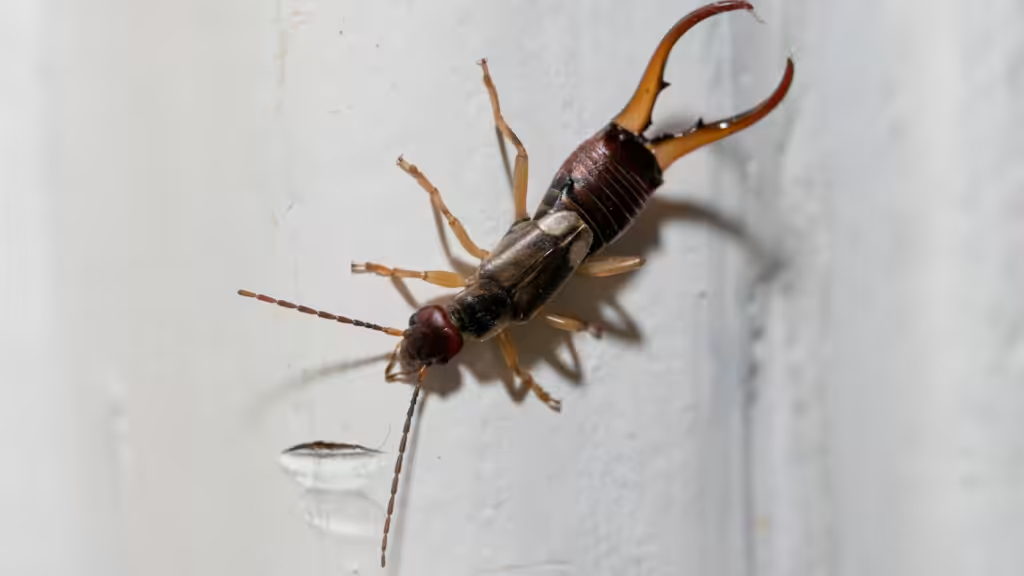
Finding an earwig in your house tends to stop people cold. The pincers don’t help. But the more useful question isn’t what they look like — it’s why they’re inside at all. In Washington, earwig pressure on homes runs through most of the year, and their presence almost always connects back to specific conditions on your property.
What Attracts Earwigs to Your Home
Moisture is what drives them. Earwigs need damp environments to survive, so any part of your home with consistent humidity becomes a landing spot. Leaky pipes under sinks, crawl spaces with poor ventilation, damp basements — these aren’t conditions earwigs tolerate. They’re actively what draws them in.
Outside, the problem usually starts at your foundation. Mulch beds, leaf piles, rotting wood, and dense ground cover give earwigs what they need: shelter, food, and moisture in close proximity. Once they’ve established themselves right against your exterior, moving inside is a short trip through whatever gaps they can find.
Washington’s wet climate extends their active season considerably compared to drier regions. That keeps the pressure on your home’s entry points high for much of the year, not just in one or two peak months.
How Do Earwigs Get Into the House?
They’re small and flat enough to slip through gaps that look too narrow to matter. Cracks in the foundation, gaps around door frames, and openings where utility pipes enter the home are all common paths in. Torn or missing weatherstripping is a particularly easy target — a gap you’d barely notice on your way through the door is more than enough room for an earwig.
They also hitchhike. Potted plants brought in from the porch, bundles of firewood, boxes left sitting outside in the shade — any of these can carry earwigs indoors without you realizing it. If something’s been sitting in a damp, shaded spot, inspect it before it comes inside.
Earwig activity tends to spike during seasonal transitions. Late summer pushes them toward moisture indoors when conditions outside dry out. Falling temperatures in autumn push them in for warmth. Much like ants finding their way inside, they work with whatever openings your home’s exterior gives them.
Where Do Earwigs Hide Indoors
Once inside, they go looking for dark and damp. Bathrooms and kitchens are the most common spots — under sinks, behind appliances, along baseboards near plumbing. Basements and laundry rooms draw them for the same reasons. Crawl spaces, stacks of cardboard, cluttered storage areas, and beneath bathroom rugs all fit the profile.
One thing worth knowing: earwigs don’t build nests the way ants or termites do. Finding several in one area doesn’t mean there’s a colony — it means that spot has the moisture and darkness they’re looking for. Address those conditions and the grouping typically breaks apart.
Are Earwigs in Your House Dangerous?
The pincers look worse than they are. An earwig can pinch if you handle one directly, but it rarely breaks skin and there’s no venom. They’re not known to spread disease or contaminate food the way cockroaches or rodents do.
That said, large numbers are worth taking seriously — not because of what the earwigs themselves do, but because of what they signal. A widespread earwig problem in the house often points to moisture conditions that go beyond bugs: poor drainage, failing weatherstripping, ventilation problems in your crawl space. Left unaddressed, those same conditions tend to attract a range of unusual pest infestations that get harder to manage over time.
A few strays every so often is one thing. A recurring presence in multiple areas of the house means something is actively drawing them in, and that’s worth a closer look.
How to Prevent Earwigs from Coming Inside
Control starts outside. Pull mulch and leaf litter back from your foundation to eliminate the habitat earwigs build up in before they ever reach your walls. Fix leaky outdoor faucets and improve drainage around your home’s perimeter. Dense ground cover that holds moisture close to the house is worth trimming back too.
Inside, the work is about closing entry points and cutting humidity. Caulk cracks around window frames and door thresholds, replace worn weatherstripping, and seal any penetrations where utility pipes enter the home. A dehumidifier running in your basement or crawl space removes the moisture that makes those areas worth settling into.
Diatomaceous earth along baseboards can reduce activity, but it doesn’t resolve whatever’s pulling earwigs to your home in the first place. For persistent or large-scale problems, professional earwig control gets to what’s driving the activity — surface-level fixes don’t.
Tired of Finding Earwigs Indoors? Let’s Fix That.
If earwigs keep turning up in your bathrooms, basement, or crawl space, there’s usually a moisture condition underneath the problem that needs to be addressed alongside the bugs themselves. Natura Pest Control works with homeowners across Washington to find what’s driving the activity and treat it directly. Contact us today to get started.