

Aloha homeowners face unique pest challenges throughout the year. Oregon’s mild, wet climate creates perfect conditions for rodents seeking shelter, fleas and ticks thriving in damp grass, and boxelder bugs swarming homes each fall. Different pests require different solutions, and understanding the types of Aloha pest control services available helps you choose effective protection for your property.
Rodent Control Services for Homes and Businesses
Mice and rats invade Aloha homes year-round, but activity spikes during fall and winter when outdoor temperatures drop. Rodents squeeze through gaps as small as a quarter-inch, entering through foundation cracks, utility line openings, and damaged vents.
Once inside, they contaminate food, chew wiring, spread disease, and reproduce rapidly. Fun fact: a single pair of mice can produce 60 offspring in three months.
How Rodent Control Targets Mice and Rats at the Source
Effective rodent control starts with inspection, not traps. Professionals identify entry points, nesting sites, and food sources that attract rodents to your property. Exterior inspection covers foundation perimeters, roof lines, garage doors, and landscaping features that provide rodent highways into structures.
Rodent control combines three critical elements: exclusion, elimination, and monitoring. Exclusion work seals entry points using steel wool, metal flashing, and cement; materials rodents can’t chew through. Common seal points include gaps around pipes and cables, foundation cracks, roof vents, and spaces beneath doors.
Elimination targets active infestations using snap traps, bait stations, and tracking powder placed in attics, crawl spaces, and wall voids where rodents travel. Snap traps kill instantly and allow for carcass removal, preventing odor problems. Bait stations contain rodenticide in tamper-resistant containers that protect children and pets while targeting rodents.
Monitoring stations track ongoing activity after initial elimination. Professionals check these stations during regular service visits, adjusting placement and bait types based on activity levels. Exterior stations create barriers around your home’s perimeter, catching rodents before they attempt entry.
Flea and Tick Control Options
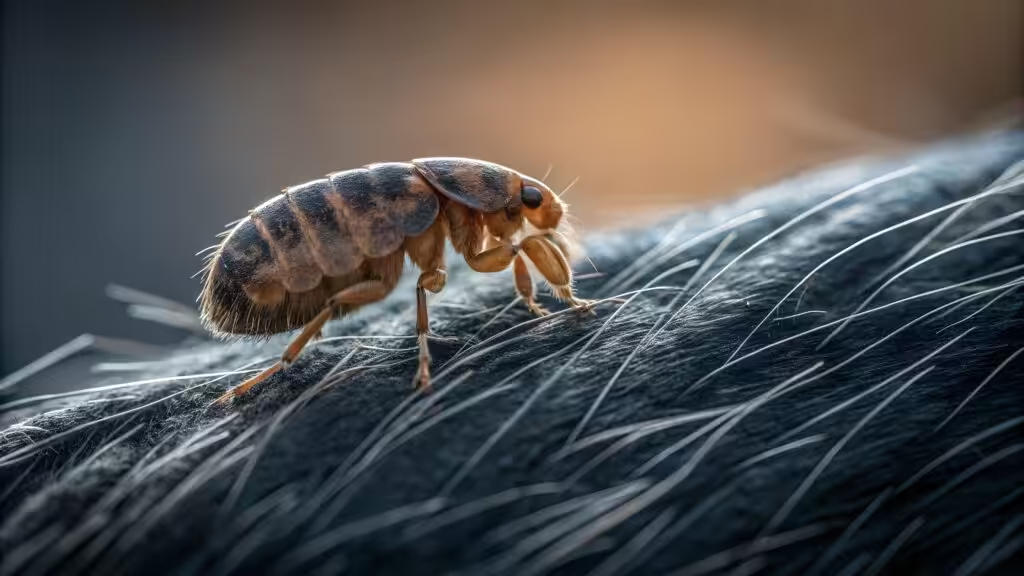
Oregon’s moderate climate allows fleas and ticks to remain active nearly year-round. Pets pick up these parasites outdoors and carry them inside, where fleas breed in carpets and furniture while ticks hide in bedding and clothing.
Both parasites feed on blood and transmit diseases. Fleas spread tapeworms and cause allergic dermatitis, while ticks carry Lyme disease and Rocky Mountain spotted fever.
Preventing Fleas and Ticks Indoors and Outdoors
Comprehensive flea and tick control addresses indoor and outdoor environments simultaneously. Indoor-only treatments fail because pets continuously reintroduce parasites from yards. Outdoor-only treatments leave existing indoor populations to breed unchecked.
Flea control inside homes targets all life stages: eggs, larvae, pupae, and adults. Adult fleas represent only 5% of infestations; the remaining 95% exists as developing stages hiding in carpet fibers, under furniture, and inside pet bedding. Treatments combine adulticides that kill biting fleas with insect growth regulators that prevent eggs from developing into adults.
Preparation improves treatment effectiveness. Vacuuming before treatment removes flea eggs and larvae while stimulating dormant pupae to emerge. Washing pet bedding in hot water (at least 140°F) kills fleas at all life stages. Moving furniture away from walls allows treatment access to areas where fleas congregate.
Outdoor flea and tick control focuses on shaded, moist areas where these parasites thrive. Under decks, along fence lines, beneath shrubs, and around pet resting spots all require treatment. Granular applications provide longer residual protection than liquid sprays, maintaining effectiveness through multiple rain events common in Oregon.
Tick control requires yard maintenance alongside chemical treatment. Keeping grass mowed short reduces tick habitat. Creating gravel or wood chip barriers between lawns and wooded areas prevents tick migration. Removing leaf litter, brush piles, and tall weeds eliminates hiding spots where ticks wait for hosts.
Veterinary flea and tick preventatives protect pets directly, while professional home and yard treatments eliminate environmental populations. Combined approaches break the parasite lifecycle completely, preventing reinfestation.
Boxelder Bug Control and Seasonal Pest Management
Boxelder bugs become nuisance pests each fall when they congregate on home exteriors seeking winter shelter. These black and red insects swarm sun-facing walls, clustering around windows, doors, and siding cracks.
While boxelder bugs don’t bite or cause structural damage, they invade homes in large numbers, stain surfaces with their waste, and emit foul odors when crushed.
When Boxelder Bugs Become a Recurring Problem
Boxelder bug control requires understanding their seasonal behavior. Adults spend spring and summer on boxelder, maple, and ash trees, feeding on seeds and leaves. As temperatures drop in September and October, bugs migrate to structures offering protected overwintering sites, such as attics, wall voids, and crawl spaces.
Recurring problems suggest nearby boxelder trees are hosting large populations. Female boxelder trees produce seeds that feed bugs, creating an ideal habitat. Identifying and treating these source trees reduces populations significantly. In some cases, removing female boxelder trees eliminates the primary attractant.
Spring emergence creates secondary indoor problems. Bugs overwintering inside walls become active as temperatures warm, entering living spaces through light fixtures, electrical outlets, and ceiling gaps. Spring interior treatments target these emerging populations before they exit structures and begin outdoor breeding cycles.
Boxelder bug control timing determines success. Late summer treatment, before migration begins, reduces populations before they reach structures. Treating trees where bugs congregate kills adults before they disperse. Perimeter treatments around foundations, windows, and doors create barriers that repel approaching bugs.
Indoor infestations require vacuum removal rather than insecticide application. Crushing boxelder bugs releases odorous compounds that attract more bugs. Vacuuming captures live bugs without triggering defensive odors. Dispose of vacuum contents immediately in sealed outdoor trash to prevent bugs from escaping back indoors.
Get Comprehensive Pest Control in Aloha
Understanding the types of Aloha pest control services available helps you address specific pest problems effectively. Whether you’re dealing with rodents damaging your home, fleas and ticks threatening family health, or boxelder bugs invading each fall, professional pest control delivers targeted solutions that DIY methods can’t match.
Natura Pest Control serves Aloha and surrounding Oregon communities with comprehensive pest management programs. Contact us today for customized solutions that protect your home year-round.