

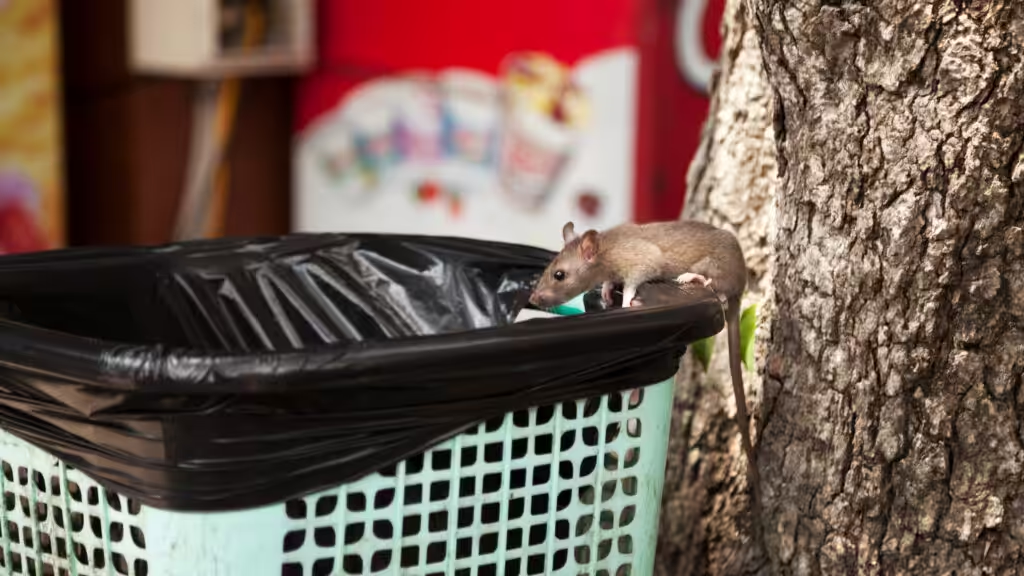
Mice are drawn to any reliable food source they can reach without being disturbed: unsealed pantry containers, spilled bird seed, crumbs under appliances, pet food left in bowls, and open trash bins. They also need a quiet place to nest. Dark, undisturbed spaces like attics, basements, and spaces inside the walls give them both.
What Pulls Mice Into Your Home
A clean home can still have a mouse problem. Mice don’t need mess or neglect to move in. They need food, a quiet place to nest, and a gap small enough to fit through. If you’ve been wondering why mice keep showing up despite your best efforts, one of the seven things below is probably the reason.
7 Things That Attract Mice In Your House
Mice can survive on a few grams of food a day and nest in a space the size of a baseball. That’s why infestations build quietly. The conditions that support them are easy to overlook. Below are the seven attractants we see most often in Pacific Northwest homes.
1. Unsealed Food Containers
An unsealed container is an open invitation. Loose cereal bags, open snack packages, and bins without lids all release enough scent to draw mice from across the room. Even a small gap is enough.
Because mice rely heavily on scent, a strong-smelling snack left out overnight can pull them from hidden corners straight into your kitchen. Store everything in airtight containers. A small habit like fully closing a cereal bag makes a bigger difference than most people expect.
2. Bird Feeders
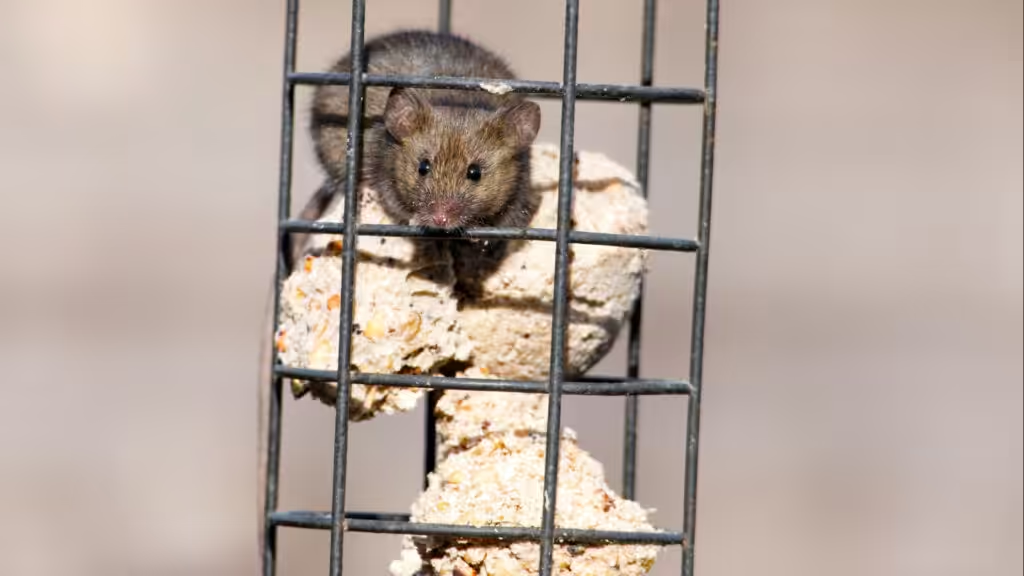
Spilled seed under a bird feeder is a reliable outdoor food source for mice. Birds drop and scatter more than they eat, and anything that hits the ground becomes fair game. Rodents don’t need much encouragement to make a regular trip.
Fruit and nut trees make it worse. Fallen produce becomes more appealing to mice as it breaks down on the ground, not less.
Clearing spilled seed and fallen fruit regularly discourages rodents from lingering near the house long enough to find a way in.
3. Crumbs and Food Debris
Under the refrigerator, behind the stove, between couch cushions: those are the spots crumbs collect and go unnoticed for weeks. Mice follow that trail. A few particles left behind after breakfast is enough to bring them back to the same room.
Regular sweeping and wiping down hidden surfaces removes what they came for. When the food trail disappears, mice don’t have a reason to stay.
4. Dark, Undisturbed Areas
Basements, attics, crawl spaces, and wall voids — the hollow spaces running inside your walls rarely see foot traffic. That’s exactly what mice are looking for. A space that goes undisturbed for weeks is a space where a nest can grow without anyone noticing.
Make it a habit to inspect storage areas routinely. These spaces become especially appealing as outdoor temperatures drop in fall and winter. Listen for rustling or scratching sounds and keep clutter minimal.
5. Overflowing Trash Cans
An overflowing indoor bin creates a scent trail that mice follow right to the source. Grease, food scraps, and leftover packaging all feed that signal. The more time trash sits, the stronger it gets.
Taking out trash frequently and securing outdoor bins with properly sealing lids removes one more reason for mice to linger near the house.
6. Pet Food Woes
Yes, mice will eat cat food. They’ll eat dog food, too. Pet owners often assume their animals act as a natural deterrent, and occasionally they do. Still, an unattended food bowl is a reliable meal regardless of which species left it there. Mice aren’t picky about what they eat as long as it’s calorie-dense and easy to reach, and dry kibble is both.
Fish-based and meat-based kibble throws a stronger scent than most pantry foods. An open bowl doesn’t stay unnoticed for long. Wet food left out is even more of a problem. The higher moisture content means it breaks down faster and throws off a stronger scent.
Even an empty bowl that hasn’t been washed holds enough residue to bring mice back to the same spot repeatedly.
Large bags of dog food stored in garages or utility rooms are a different problem. They’re often loosely folded at the top or sitting in an open bin. Mice chew through paper and thin plastic with almost no effort. A 30-pound bag of dry dog food stored on a garage floor is one of the better mouse attractants a home can offer: easy to find, easy to access, and rarely checked closely.
Move pet food into hard-sided sealed containers. Set fixed feeding times rather than leaving bowls out all day, and wash food and water bowls each night. If you feed pets in the garage, make it a habit to check the surrounding area for droppings. Catching the problem early is a lot easier than dealing with it once mice have moved deeper into the house.
7. Leaving Food Out
Plates sitting on the counter overnight, dishes left in the sink, a half-eaten snack that didn’t make it back to the pantry. Any of these can bring mice in, even when everything else is buttoned up. Scent travels, and mice follow it.
Teach everyone in your household to clear dishes the same night. Scraping leftovers into the trash and putting food away removes the scents that bring mice back.
Mouse in Your House: The Bottom Line
Most mouse problems trace back to one or two items on this list. Fix those, and the risk drops significantly. But when mice slip through anyway, we step in to make sure they’re removed for good.
We provide effective rodent solutions designed to keep your home safe and protected. If you’re ready for an expert, give us a call today at 360-215-2876.
We proudly serve homeowners across: