

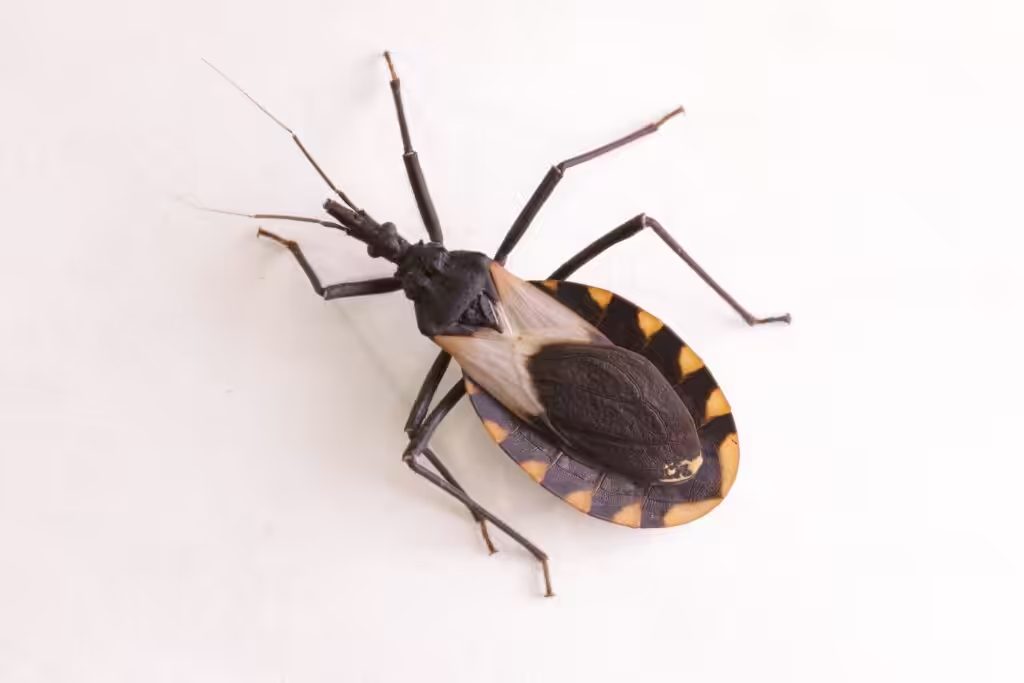
When Vancouver, WA residents think of pest threats, the usual suspects—ants in the kitchen, spiders in the basement, or rodents in the garage—are usually top of mind. But some insects bring risks that go beyond property damage or nuisance infestations. Among them are kissing bugs, also known as triatomine insects. These blood-feeding pests have been making national headlines because of their connection to Chagas disease, a potentially serious illness that can affect the heart and digestive system if left untreated.
Although kissing bugs are more commonly associated with the southern United States, recent reports suggest their reach and the risks they pose are expanding. According to CNN’s latest coverage, researchers are finding signs that Chagas disease may already be endemic in parts of the U.S., challenging the long-held belief that it’s only a Latin American or southern U.S. problem. CBS News adds that human cases are being documented more frequently than expected, raising awareness in communities across the country.
For homeowners in Vancouver and throughout Clark County, understanding what kissing bugs are, how they spread disease, and what steps can reduce risks is essential. Let’s dive into everything you need to know to protect your home and your family.
Kissing Bugs and How Do They Spread Chagas Disease?
Kissing bugs belong to a group of insects called triatomines. They feed on the blood of humans and animals, typically at night while people are asleep. Their unsettling nickname comes from their habit of biting around the mouth and eyes. While the bite itself isn’t the danger, what happens afterward can be.
The CDC explains that kissing bugs can carry Trypanosoma cruzi, the parasite responsible for Chagas disease. Transmission occurs when infected bug feces are accidentally rubbed into the bite wound, the eyes, or mucous membranes. This indirect route of infection makes the disease harder to prevent through bite avoidance alone.
While these insects are more commonly found in warmer climates like Texas, Arizona, and New Mexico, their range is broad. The Texas A&M Kissing Bug Program has received submissions of suspected kissing bugs from dozens of states, with roughly half testing positive for T. cruzi. That means even regions like the Pacific Northwest, which don’t see the same high numbers, should remain vigilant.
In Vancouver specifically, the climate of cool, wet winters and warm, dry summers isn’t ideal for large populations of kissing bugs. However, travel, pet movement, and habitat overlap can increase the chances of local encounters. Homes near wooded areas, river corridors like the Columbia, or properties that attract wildlife are more likely to provide the environments these insects look for.
Signs, Symptoms, and Risks of Chagas Disease
Chagas disease progresses in two stages, and one of the biggest challenges is that many people don’t realize they’re infected until years later.
Acute Phase
In the first weeks or months after infection, people may experience:
- Fever, fatigue, and body aches
- Headache or rash
- Swelling at the bite site or swelling of the eyelid (known as Romaña’s sign)
- Enlarged lymph nodes
These symptoms are often mistaken for common viral infections. CBS News notes that acute symptoms are easily overlooked, especially in areas where the disease isn’t widely known.
Chronic Phase
If untreated, Chagas can enter a chronic stage that may last for decades. Serious complications include:
- Irregular heartbeat or heart enlargement
- Congestive heart failure
- Enlargement of the esophagus or colon, leading to digestive problems
- Risk of sudden cardiac arrest
The CDC warns that these complications can be life-threatening and often appear after years of silent infection. Children, older adults, and those with weakened immune systems are particularly vulnerable.
For residents of Vancouver, the risk lies not just in exposure but in lack of awareness. Many people don’t consider Chagas when evaluating symptoms, meaning infections can go undiagnosed for years. Awareness among both the public and healthcare providers is growing, but vigilance is critical.
Prevention and Protection for Your Home in Vancouver, WA
The good news is that reducing the risk of kissing bugs around your home involves many of the same proactive steps you’d take to keep out other pests.
- Seal entry points. Repair cracks and gaps around foundations, walls, windows, and rooflines. Even small openings can provide access.
- Maintain screens. Ensure window and door screens are intact to block insect entry.
- Control lighting. Outdoor lighting attracts insects, including kissing bugs. Consider using yellow “bug lights” or minimizing exterior lighting at night.
- Reduce harborage areas. Keep woodpiles, brush, and debris away from the home’s perimeter. These provide shelter for both insects and the wildlife they may feed on.
- Inspect animal housing. If you have pets, livestock, or chickens, check their outdoor housing for cracks or nesting spots where kissing bugs could hide.
The Texas A&M program emphasizes the importance of habitat management in reducing contact with kissing bugs. Their findings show that homes near wildlife activity or in rural areas face greater exposure.
In Vancouver, where neighborhoods often back up to greenbelts, forests, or river habitats, these steps take on added importance. Residents near Salmon Creek Greenway, Burnt Bridge Creek Trail, or rural areas like Orchards and Brush Prairie should be especially proactive.
The Role of Professional Pest Control
While DIY measures help, professional pest inspections provide added peace of mind. Trained technicians can:
- Identify conditions that increase kissing bug risk
- Differentiate kissing bugs from similar-looking insects
- Apply targeted treatments when needed
- Provide ongoing monitoring and prevention strategies
As CNN notes, awareness in states beyond the South is becoming increasingly important. Partnering with a trusted local pest control provider like Natura helps ensure you’re not left unprotected as risks evolve.
Why Local Awareness Matters
Clark County is no stranger to pest challenges. From seasonal ant invasions to spider activity in damp basements, homeowners already face a variety of nuisances. But disease-carrying pests raise the stakes.
Vancouver’s blend of suburban growth and surrounding natural areas creates a unique environment. Many homes border forests, wetlands, or farmland where wildlife thrive. These conditions, combined with increasing reports of Chagas disease in the U.S., make education critical. Even if kissing bugs aren’t yet common in large numbers here, the mobility of people, pets, and pests means risks are not confined to other regions.
Being aware now allows Vancouver residents to take preventive steps before the problem becomes more widespread. And with pest control experts on your side, you don’t have to navigate that risk alone.
Kissing Bug Pest Control
Kissing bugs may not be the most common pest in Vancouver, WA, but their potential health impact makes them a concern worth understanding. By learning how they spread Chagas disease, recognizing the signs of infection, and taking preventive steps at home, you can reduce risks for your family.
As national reports from CBS News, CNN, and research from Texas A&M show, Chagas disease is no longer an issue to ignore in the United States. Combined with guidance from the CDC, the message is clear: awareness and prevention are your strongest defenses.
If you’re concerned about kissing bugs or other pests around your home, contact Natura Pest Control. Our team is dedicated to providing safe, reliable solutions that protect your home, your health, and your peace of mind.