

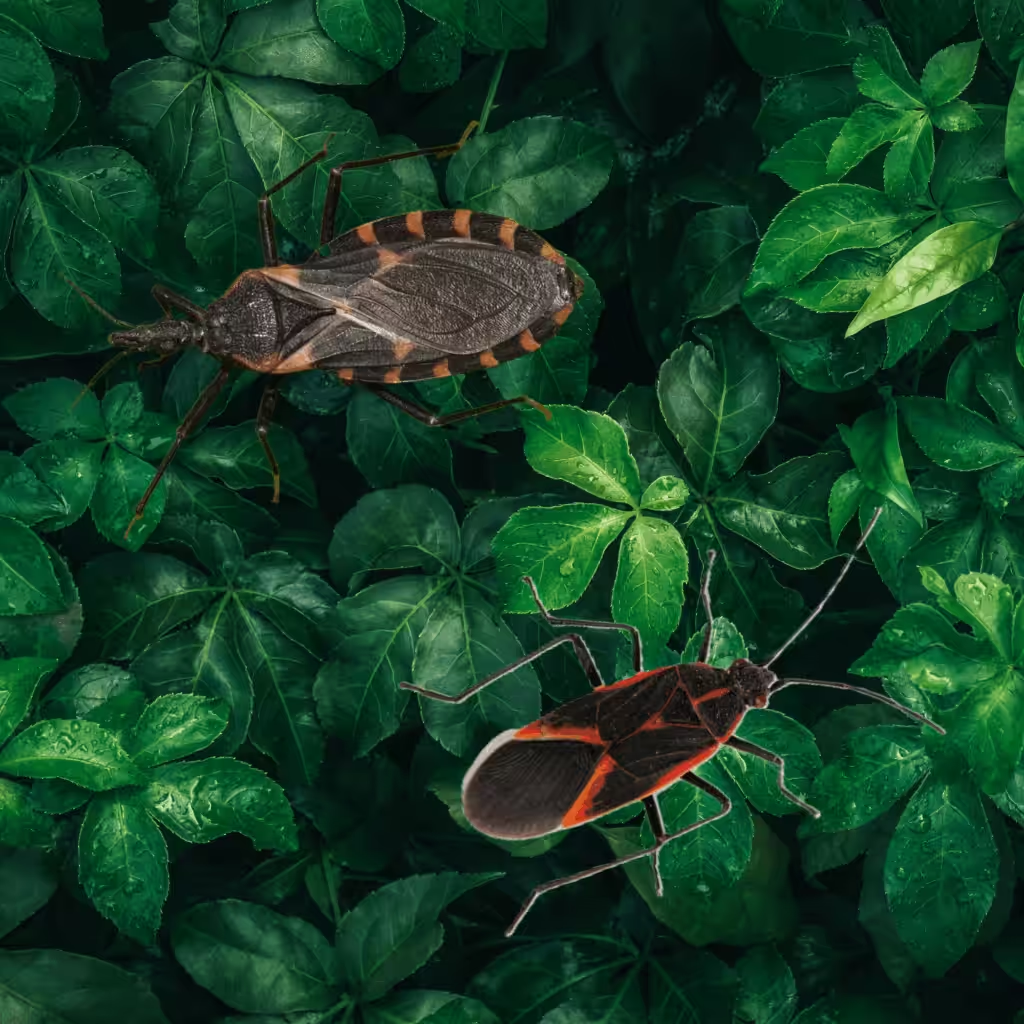
Boxelder Bugs vs. Kissing Bugs
When you spot a dark-colored bug with orange or red markings crawling across your siding or near a window, your first instinct may be to squash it and hope for the best. But not all insects are created equal, and some bugs that look alike at a glance have very different impacts on your home and health. Two of the most commonly confused pests are boxelder bugs and kissing bugs.
Boxelder bugs are often little more than a nuisance, gathering in large numbers on the sunny sides of homes in late summer and fall. Kissing bugs, however, are far more concerning: these blood-feeding insects are linked to the spread of Chagas disease, a serious illness caused by a parasite. While kissing bugs are not common in the Pacific Northwest, they are found in other regions of the United States, making it important to know the difference.
In this guide, we’ll break down the key differences between these two pests, how to identify them, why they appear around your home, and what you can do to keep them out.
What Are Boxelder Bugs?
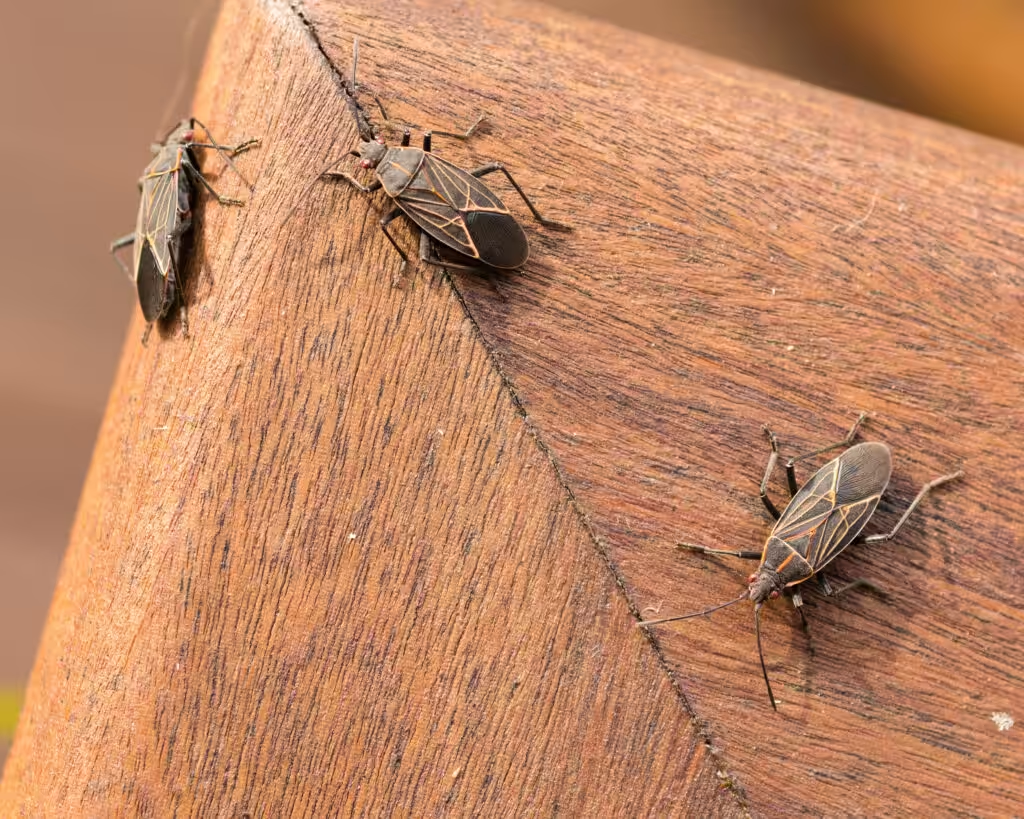
Boxelder bugs get their name from the boxelder tree, a type of maple tree whose seeds and leaves are their primary food source. They are most active in the late summer and early fall, when they gather in large numbers to sun themselves on warm surfaces.
Appearance:
- About ½ inch long
- Flat, oval-shaped body
- Black coloring with distinct reddish-orange lines along the thorax and wings
- Small red eyes
Habits:
- Cluster in large numbers on the sunny side of houses, garages, or sheds
- Seek entry into homes when temperatures cool
- Do not reproduce indoors
- Feed on boxelder, maple, and ash trees
Why they’re a problem:
Boxelder bugs do not bite or sting, and they don’t damage structures. However, they can become a significant nuisance:
- They leave reddish-brown stains on walls, curtains, and furniture when squashed.
- Their droppings can mark light-colored surfaces.
- Large indoor infestations are unpleasant and hard to manage without professional help.
In short, boxelder bugs are a cosmetic and comfort issue more than a health risk.
What Are Kissing Bugs?
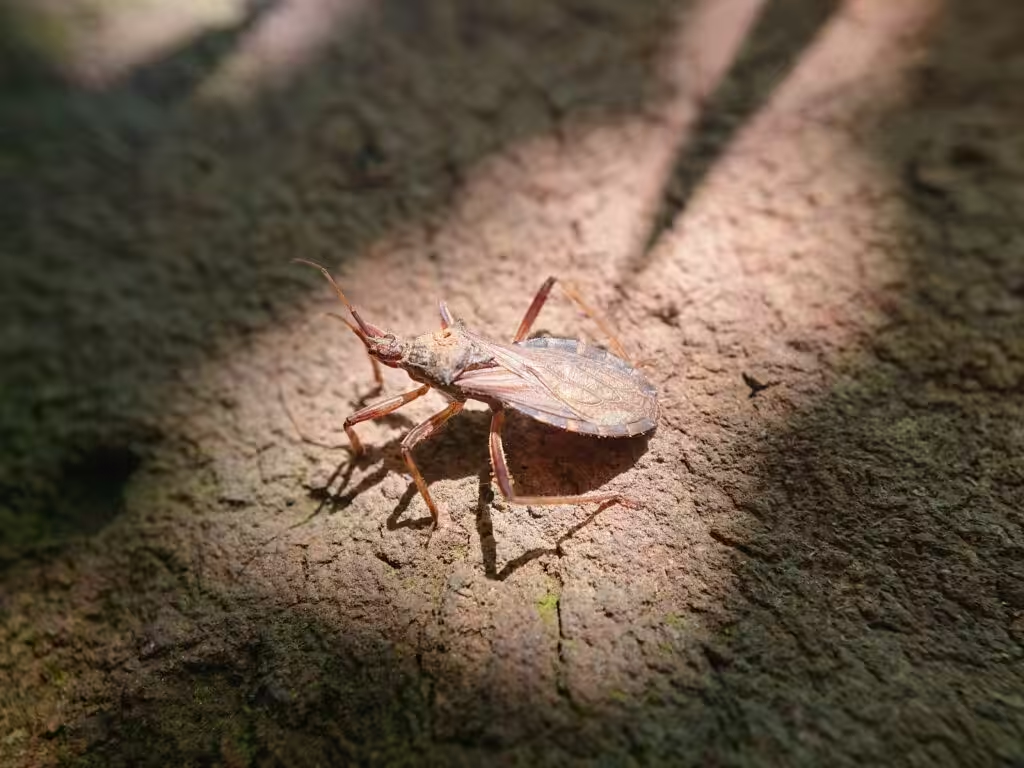
Kissing bugs, also known as triatomine bugs, are part of the assassin bug family. Unlike boxelder bugs, these insects feed on the blood of mammals, including humans. They earned their nickname because they often bite near the mouth or eyes while people are sleeping.
Appearance:
- Larger than boxelder bugs — about 1 to 1.5 inches long
- Elongated, cone-shaped head
- Narrow body with orange or red stripes along the edges of the abdomen
- Long, thin legs and antennae
Habits:
- Nocturnal, hiding during the day in cracks, crevices, or clutter
- Attracted to the carbon dioxide humans exhale
- Found in parts of the southern and western United States, especially Texas, Arizona, and New Mexico
Why they’re a problem:
Kissing bugs are linked to Chagas disease, a parasitic illness that can cause serious long-term health issues if untreated. The risk of transmission in the U.S. is relatively low, but it is still a concern. Their bites are often painful, and the presence of these bugs indoors is a definite red flag requiring immediate attention.
Boxelder Bugs vs. Kissing Bugs: How to Tell the Difference
At first glance, these two bugs can look similar because both have dark bodies with reddish markings. However, a closer inspection reveals several key differences:
- Size: Boxelder bugs are smaller, averaging ½ inch, while kissing bugs can grow over an inch long.
- Head Shape: Boxelder bugs have a short, wide head, while kissing bugs have a long, narrow, cone-shaped head.
- Body Shape: Boxelder bugs are more oval-shaped, while kissing bugs have a longer, narrower body.
- Markings: Boxelder bugs have red lines on their wings and thorax, while kissing bugs often have striped edges along their abdomen.
- Behavior: Boxelder bugs are active during the day and cluster in groups, while kissing bugs are nocturnal and hide until night.
If you’re unsure which bug you’ve spotted, try to observe its size and activity patterns. Boxelder bugs will usually be out in the open in groups, especially on warm walls or windows. Kissing bugs are solitary and prefer to stay hidden until night.
Why You Might See Boxelder Bugs Around Your Home
In the Pacific Northwest, boxelder bugs are far more common than kissing bugs. Homeowners in Oregon and Washington often see boxelder bugs when the seasons change. They cluster on siding, porches, and even cars that are parked in sunny spots.
They’re drawn to heat and light, which makes homes with large south- or west-facing walls especially attractive. Once temperatures drop, they try to find small gaps or cracks to move inside, where they can overwinter.
Even though they don’t cause structural damage, they can be extremely frustrating for homeowners because of their sheer numbers and the mess they leave behind.
What to Do If You Suspect a Kissing Bug
While kissing bugs are not common in the Pacific Northwest, travel, shipping, and environmental changes can expand pest ranges. If you suspect you’ve spotted a kissing bug:
- Do not crush it with your bare hands. Instead, capture it in a container.
- Take a photo for identification.
- Contact your local health department. They can confirm the insect and provide guidance.
- Consult a pest control professional. If confirmed, immediate inspection and treatment may be necessary.
Even if you don’t live in a high-risk area, it’s better to err on the side of caution with an insect that could potentially pose health risks.
Preventing Both Pests From Entering Your Home
Whether you’re dealing with nuisance boxelder bugs or the rare kissing bug, prevention is the best line of defense. Here are a few practical steps you can take:
- Seal entry points: Caulk cracks around windows, doors, siding, and utility lines.
- Repair or replace screens: Keep window and door screens in good condition.
- Reduce outdoor lighting: Lights can attract insects at night.
- Trim trees and shrubs: Reduce contact between vegetation and your home’s siding.
- Limit clutter indoors and out: Clutter provides hiding spots for many pests.
- Work with a professional: Seasonal pest control treatments can keep boxelder bug populations down and create barriers that protect your home year-round.
Why Professional Pest Control Matters
While DIY methods like vacuuming boxelder bugs or spraying peppermint oil may provide short-term relief, they rarely solve the problem. Large infestations can quickly overwhelm homeowners, and distinguishing between boxelder bugs and more concerning pests requires a trained eye.
A professional pest control team can:
- Correctly identify the insect.
- Provide safe, effective treatments.
- Help you put prevention strategies in place.
Offer peace of mind that your family and home are protected.
Protect Your Home With Natura Pest Control
Don’t leave your family’s safety to chance. Whether you’re battling nuisance boxelder bugs or want reassurance about an unfamiliar insect, Natura Pest Control is here to help. Our eco-friendly, effective solutions are tailored to homes in Oregon and Washington, with a focus on keeping pests out for good. Call us today or request a free quote online to schedule your inspection and reclaim your home from unwanted invaders.